Coastal Shipping Opportunities for UK Supply Chains
File type: pdf
File size: 82.52Mb

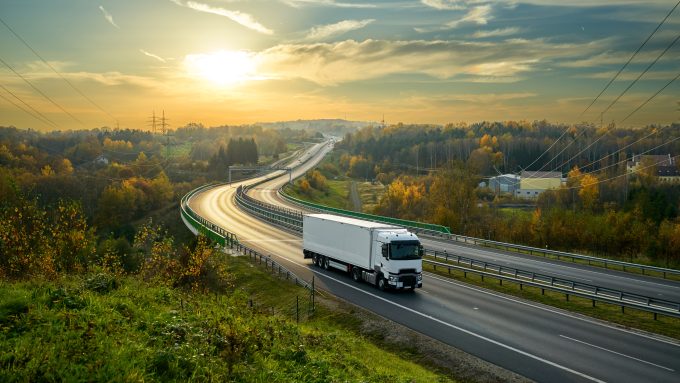
The UK’s domestic freight system remains heavily reliant on road haulage, with over 80% of goods moved by road despite the country’s extensive coastline and port network.
This report builds on earlier work by identifying where coastal shipping can be deployed in practice, using targeted case studies to quantify impacts and define delivery requirements.
Focusing on non-containerised supply chains, the analysis tests three representative corridors:
A weekly bulk shipping route could displace over 8,000 long-distance HGV movements each year while delivering close to 50% carbon savings compared to road haulage.
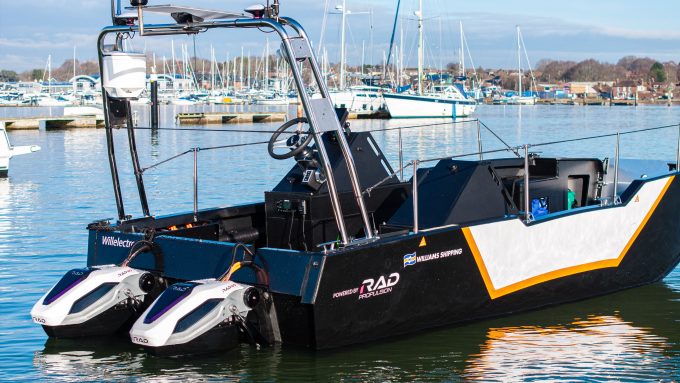
An electrified barge-based model could remove more than 6 million van kilometres from central London annually, with emissions reductions of over 90% versus diesel fleets.
Coastal redistribution of ammonia from major import hubs could more than halve energy requirements compared to road-based delivery while reducing the need for early fixed infrastructure.
Across these cases, coastal shipping demonstrates clear potential to cut emissions, reduce road congestion, and improve resilience, while also lowering operating costs in some scenarios.
The report also identifies the conditions required for viable deployment and sets out targeted actions, including data-led corridor identification, regional collaboration, and pilot projects.
Read the report to explore the analysis in detail and get in touch if you’re interested in developing or testing coastal shipping opportunities in your supply chain.
Coastal Shipping Opportunities for UK Supply Chains
File type: pdf
File size: 82.52Mb