articles
Ocean tech developer prepares for rapid growth on land
JET Connectivity developed technology and accelerated its ambitions thanks to advice and support from Connected Places Catapult. Now the Hampshire-based scale-up is looking to grow to £10 million turnover over the next 18 months.
“Revenue generating and scaling” is how James Thomas describes the current position of JET Connectivity, the company he founded six years ago to improve communications at sea with support from the Catapult.
The company started out developing a high speed 5G communications network for the sea using platforms attached to floating buoys, and has now pivoted to applications on land.
This spring, JET Connectivity secured £1.3 million through a network of angel investors called the FSE Group and an existing backer to help it through “a tough start” to the year.
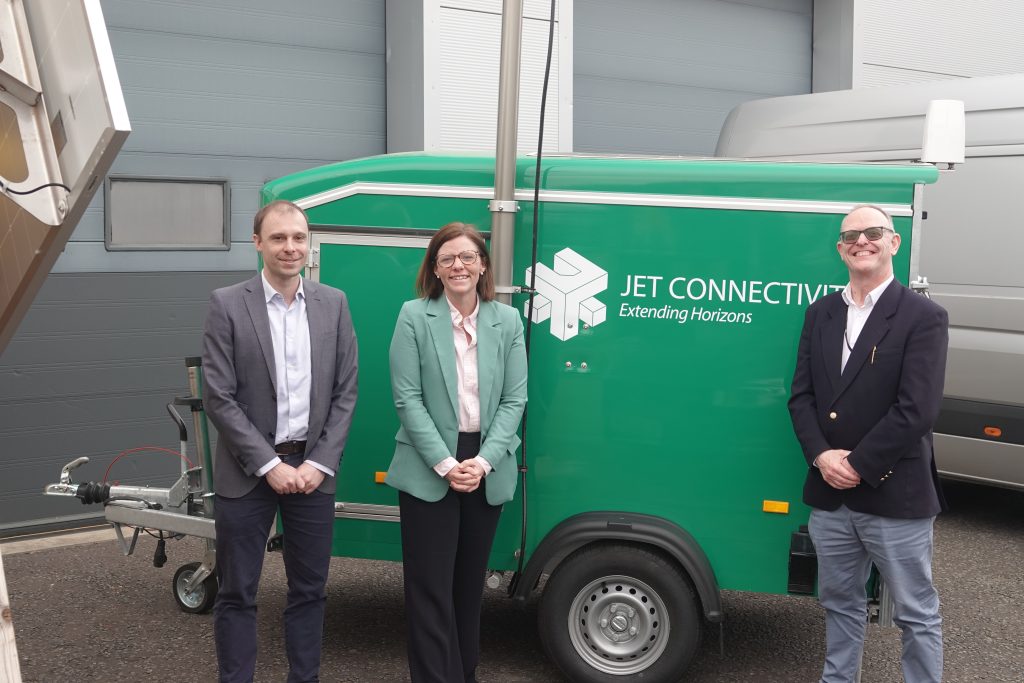
Now it has a healthy order book, and could soon double its headcount to 40 staff. Thanks to several major new deals, it aims to increase revenue from around £2 million to £10 million within the next 18 months.
Connected Places Catapult provided a “continuation of support and evolving support” which as a former start-up was useful, says James, as “your needs change constantly.
“We've learnt quite a bit with the Catapult in terms of investor readiness and pitching, and received support around growing an innovative start-up company. They got to know us and the challenges we faced.
“We are still working in the same space using similar technology; it’s just now applied to different uses than we initially thought.”James Thomas, founder, JET Connectivity
Supported by two programmes
JET Connectivity received two grants and business support through the Transport Research & Innovation Grants (TRIG) programme, delivered by Connected Places Catapult on behalf of the Department for Transport in 2022 and 2024, to develop its at-sea navigation systems and explore options for a marine-based hydrogen refuelling hub.
It also participated in the Maritime Accelerator (now Clean Transport Accelerator: Maritime) to work alongside several strategic partners including Serco, and won contracts with energy clients including Scottish Power Renewables.
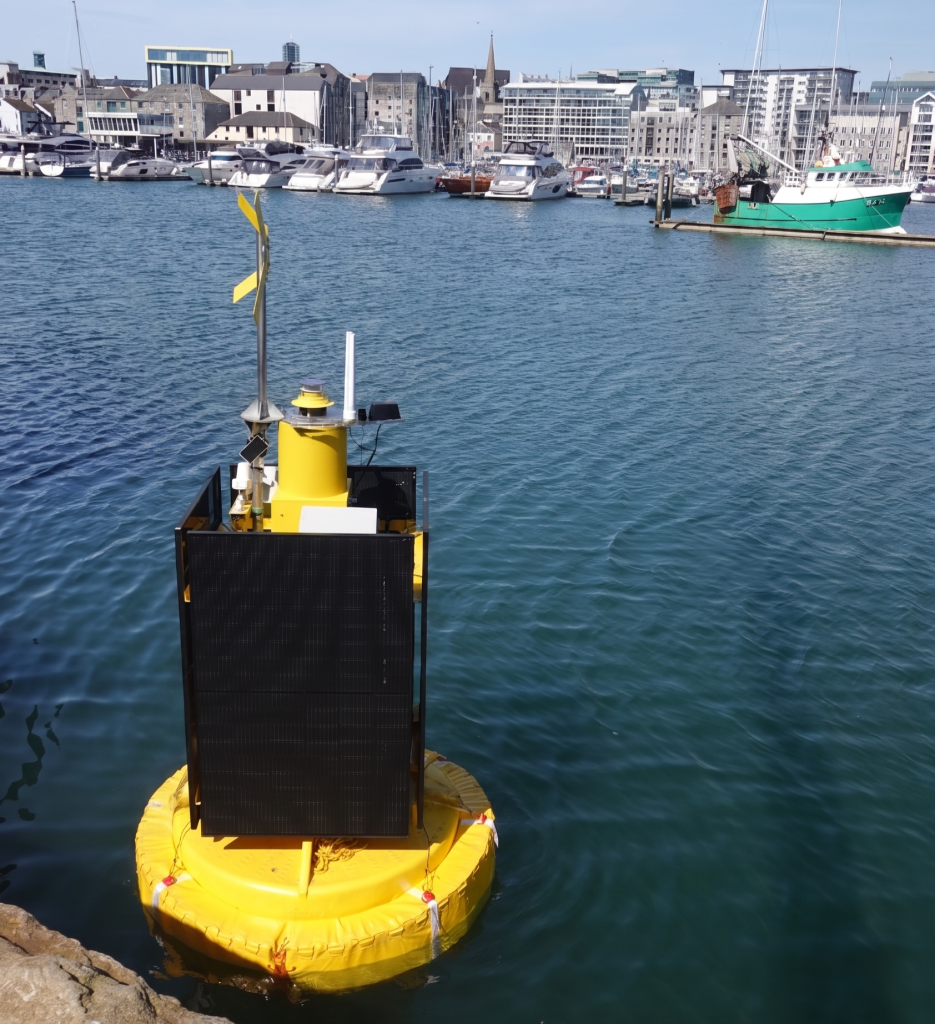
James says Connected Places Catapult provided his firm with “hands-on help, and a sense of purpose” through the TRIG programme.
He adds that the Maritime Accelerator programme gave JET Connectivity access to potential customers, allowing it to have “valuable conversations about use cases”. James appreciated any honest feedback received. “Even when someone said no, that was useful; a quick no is better than a slow, drawn-out answer.”
Focus shifts from sea to land
JET Connectivity’s original business model was to provide location information and high bandwidth communications for engineers installing and maintaining marine infrastructure, including wind turbines.
But now the company has pivoted to a dual-use focus, with both maritime use cases and improving communications for land-based infrastructure applications. It supplies reliable telecommunications on land for hard to reach areas, where it can be difficult to establish a fibre-optic cable, or where satellite communications are being jammed, spoofed or denied.
James adds the company’s technology includes features that enable back-up services to the satellite industry if communications start to fail. Its systems can also be used for very small sites and underground where GPS is unavailable.
At the end of May, the company was awarded one of five places on a NATO defence innovation accelerator programme called DIANA Mission Track to take forward its advanced communications platform – and is the only UK company on the programme.
“We now have a strong group of blue-chip customers with the potential to scale us 10 times, and are focusing on expanding with our existing customers rather than finding hundreds of new ones. We’re about to start hiring, and aim to grow from 20 staff to around 40 later this year.”
Until a few years ago, the firm relied mainly on grant funds. “We’re still bidding for grant funding to expand the technology stack, but as a scaling business we can now match funding more easily to support growth,” says James.
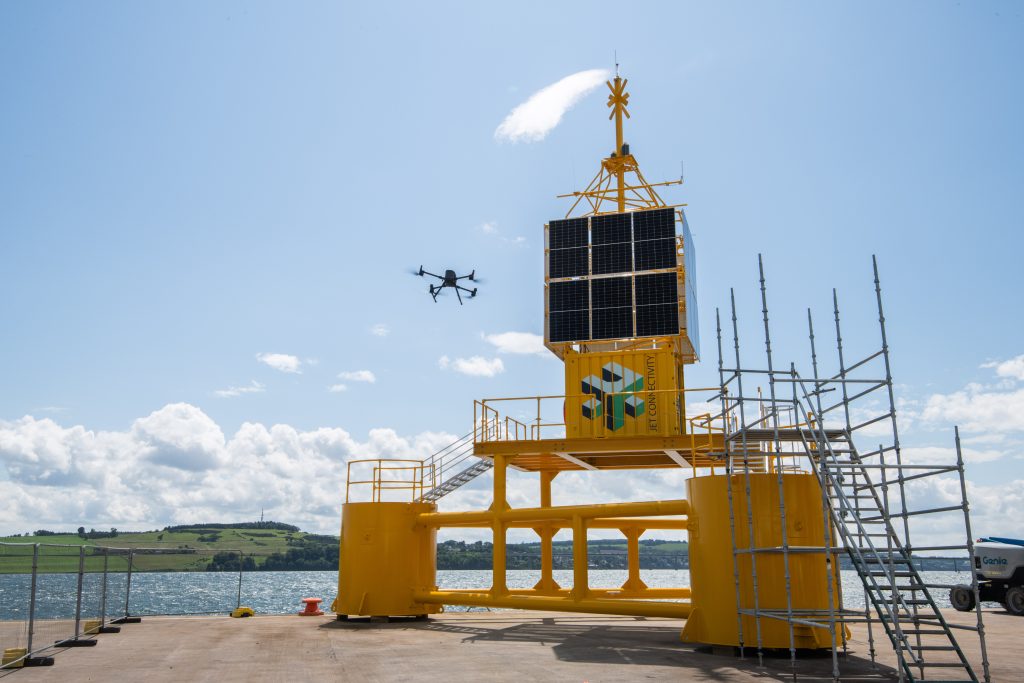
Learning from real world trials
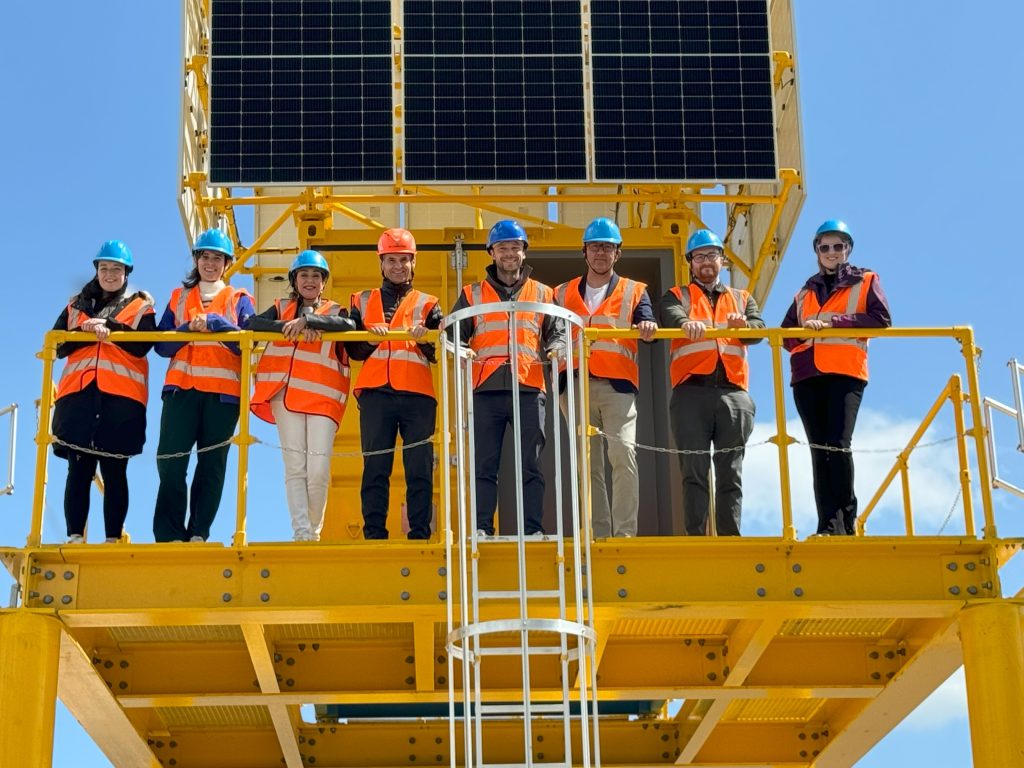
The company also continues to roll out technology for energy infrastructure clients; installing a fibre-less private 5G communications network on a large solar farm in Spain.
“We spent the last three years maturing the technology and focusing on end user needs with a lot of trials and experimentation to capture feedback. We used to be more hardware based as a company, but are now two-thirds software.
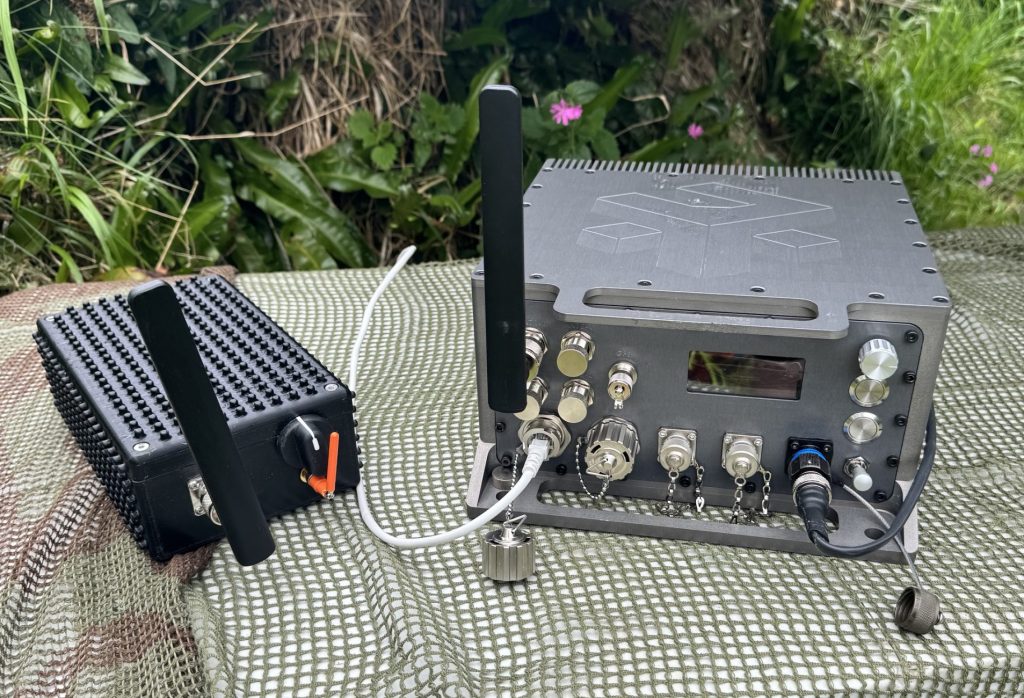
“There's nothing better than trying something in the real world that you can’t calculate or simulate in a lab,” he says of the trials arranged with the Catapult. “We've spent a few years doing that and learned big lessons; maturing technology, failing fast, and acquiring customers based on emerging needs and demand signals.”
JET Connectivity still sees value in the floating buoys at sea which made the company its name. “But work on the sea takes a long time to get to market, and the capital exposure risk is high,” he says. “It’s not as scalable as a business model or attractive for investors as applications on land.”
But he has no plans to relocate the company away from these shores. “We benefited from UK grants, and have created jobs here,” says James. “We have a desire to build long-term success in the UK, and the country needs high-growth businesses like ours.”
Find out more about the Transport Research & Innovation Grants programme, our new Clean Transport Accelerator: Maritime, and our service to Investors.
From the archives: Read a ‘Meet the Innovator’ profile about James Thomas from three years ago.