Hydrogen e2e pathways
File type: pdf
File size: 94.31Mb
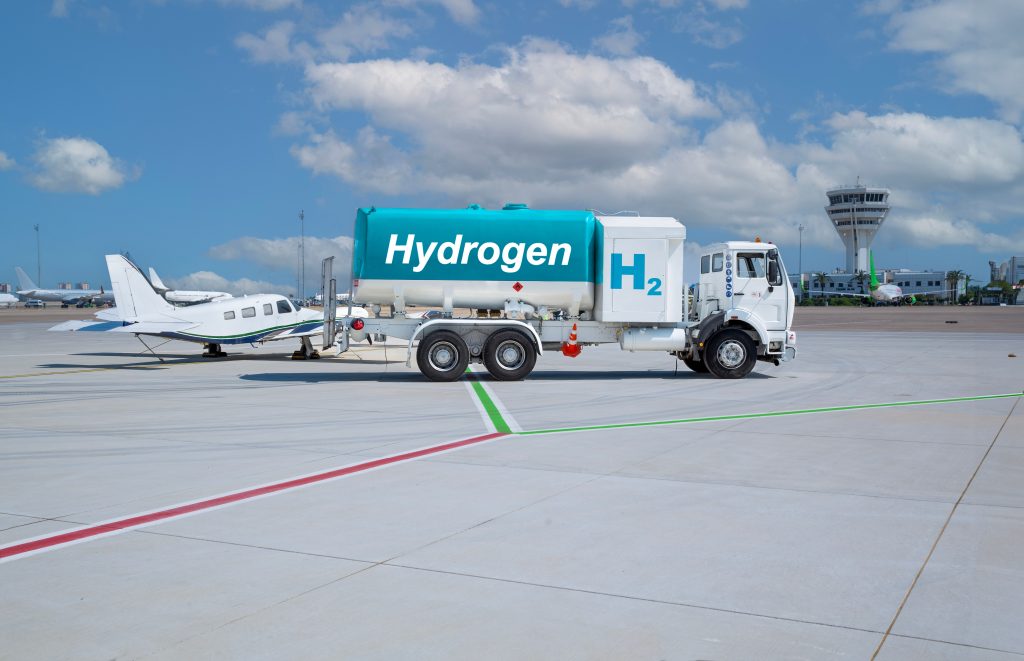
With UK aviation expected to need ~13 kt of green hydrogen by 2030 and ~970 kt by 2050, and ATI’s finding that liquid hydrogen is the only fuel capable of removing meaningful aviation CO₂ at scale, there is a warning that delays in progressing towards enabling zero-emission flight (ZEF) risk loss of UK market share and skilled jobs. A national mechanism to coordinate testing, share data and explore funding options is thus essential to overcome the evident challenges in the industry of “chicken-and-egg” costs, lack of infrastructure and supply–demand misalignment in hydrogen deployment.
The UK’s hydrogen-aviation effort is active but disjointed, with no national programme coordinating R&D, testing and trial infrastructure, resulting in slowing progress, duplication of efforts and risk of missing the UK’s 5-10 year window goal to demonstrate viable ZEF. A combined digital coordination tool and open-access ZEF test hub would provide the missing “holistic view” of stakeholders, TRLs and delivery status, align projects with complementary programmes, and turn strong policy signals and funding levers into deliverable trials by 2030. This approach directly supports zero-emission UK Government’s Clean Energy Mission and answers the ATI’s Hydrogen Capability Network call for medium-scale LH₂ test hubs, standards and skills, and connects projects to the Net Zero Hydrogen Fund and Hydrogen Allocation Rounds (HARS) that underpin an economy projected to support ~29,000 direct and 64,500 indirect jobs by 2030.
Hydrogen e2e pathways
File type: pdf
File size: 94.31Mb