A tool designed to support informed decision-making for transport managers, local planners, service owners, and other public-sector professionals. It provides practical guidance, actionable insights, and real-world examples of various procurement routes, empowering non-procurement professionals with a deeper understanding of innovation-friendly procurement practices that align with the new Procurement Act 2023, launched in February 2025.
The challenge of harnessing innovation to drive change at speed and scale is twofold. First, innovators need support in bringing their products and services to market. At the same time, public-sector professionals must be empowered to make informed decisions about the procurement of innovation. Additionally, there is a need to raise awareness within the public sector about the new regulations in the Procurement Act 2023, which introduce greater flexibility and transparency in innovation procurement.
The Innovation Procurement Support Tool has been developed in direct response to this challenge. Its goal is to support informed decision-making among public-sector professionals, including transport managers, local planners, and service owners. The tool will help users become more confident and capable customers of innovation, unlocking new revenue streams to fund innovative activities and suppliers.
What it aims to do
The Innovation Procurement Support Tool enables users to:
Generate market intelligence – the tool can be used to create new insights into current and future demand for innovation, as well as the support needs of public-sector bodies to guide investments;
Reduce barriers to innovation – the tool serves to minimise procurement risks, enhancing the user experience by making the process easier and building confidence;
Signpost existing guidance – the tool helps connect users to available resources for effective contract delivery and innovation integration;
Provide case studies – the tool offers examples of past successes and challenges to give users actionable insights into practical approaches to new solutions;
Promote innovation-friendly procurement – the tool fosters widespread adoption of best practices, boosting awareness of additional and alternative routes to market;
Raise awareness of the Procurement Act 2023 – the tool helps public-sector professionals understand and navigate the new regulations, ensuring they can take full advantage of the increased flexibility and transparency in procurement;
Boost efforts to decarbonise – the tool helps local economies improve public services and strengthen the supply chain on the journey to Net Zero.
How it works
The tool guides public-sector users in selecting the most suitable market engagement methods for procurement based on their stage in the innovation process. This helps reduce risks and overcome common market barriers.
The tool also provides targeted guidance on critical topics, including: Challenge Definitions, Preliminary Market engagement, Grant Funding, Pre-Commercial Procurement, the Procurement Act 2023, and the Competitive Flexible Procedure, among other procurement processes.
By equipping public-sector professionals with knowledge of diverse procurement approaches—complete with practical and actionable insights—the tool supports effective responses to emerging challenges in innovation.
How to navigate the guidance content in this tool:
All guidance content aligned with the 2025 regulations following the launch of the Procurement Act 2023 will be displayed in black.
Guidance on previous regulations will be greyed out but will remain readable for reference. This content will also be included in the appendix, located at the bottom of each page where necessary.
Following initial discovery work, the project team undertook a programme of user engagement to better understand the key procurement challenges and needs. Combined with a review of existing resources, this research informed the creation of an Innovation Procurement Support Tool comprised of dedicated guidance content and case studies.
The tool is specifically tailored to meet the needs of public-sector users. While the case studies focus on the transport sector, the guidance is valuable and applicable across the broader public sector. In addition, widespread promotion of the tool on project partner platforms will optimise uptake, plus help to gather feedback and recommendations for a potential Phase 2.
Please note that DfT is not responsible for the accuracy of the information on this tool.
Network Rail and Connected Places Catapult won the Safety Award at the Railway Industry Association’s Railway Industry Supplier Excellence awards on 29 June for their work to take forward a new piece of technology known as ‘geofencing’.
This case study explores how the Small Business Research Initiative (SBRI) model enabled Belfast City Council to innovate and transform its approach to problem-solving.
Do you have a case-study to share with us and other councils?
Share your council’s innovative procurement success story and inspire others across the UK to adopt transformative approaches for their communities!
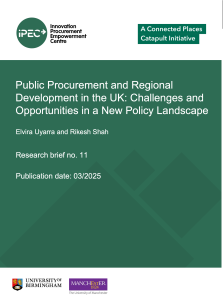
Public Procurement and Regional Development in the UK
Authors
Elvira Uyarra University of Manchester
Rikesh Shah Connected Places Catapult
This research brief discusses the implication of recent policy developments, including the National Procurement Policy Statement (NPPS) and the Procurement Act 2023, which highlight the potential for procurement to drive local economic growth and innovation. It argues that, in order to harness the full potential of public procurement for regional development, a shift towards more strategic, innovation-friendly, and regionally sensitive procurement practices will be needed. Key recommendations of this brief include:
Decentralising Procurement: Empower local and regional authorities with greater discretion and financial capacity to make procurement decisions that align with local economic development needs.
Supporting Local and Innovative Suppliers: Reduce barriers to entry for SMEs and fast-growing firms by simplifying procurement processes, diversifying contract structures, and increasing pre-market engagement.
Enhancing Data Transparency: Improve procurement data collection and publication to track spending distribution, supplier participation, and innovation impacts.
Embedding a Pro-Innovation Approach: Move beyond rigid specifications to problem-driven procurement, fostering creative solutions through collaborative procurement models.
For further insights into procurement’s role in regional development and innovation, refer to research by the Innovation Procurement Empowerment Centre (IPEC), which continues to analyse procurement strategies, spending patterns, and policy impacts across the UK.
Public Procurement and Regional Development in the UK: Challenges and Opportunities in a New Policy Landscape
The new Procurement Act provides a greater focus for everyone in the public sector (not just commercial managers) to use their budgets to create new value by bringing in innovation from the market.
With the financial challenges facing public agencies and the pressure to solve multiple problems that urgently need to be addressed from the climate emergency, transport and housing, etc., the need for market innovation has never been so important. The recently published National Procurement Policy Statement and the updated Social Value Model emphasises the government’s desire to use public procurement to implement its policy objectives.
The UK public sector already spends more than £380bn with the private sector annually through public contracting. As we see advances in technology and the government’s push for innovative ideas to solve public policy challenges, this budget can be further optimised through bringing in new innovative solutions to deliver better, quicker, cheaper and greener outcomes. Good ideas tested in the UK can also be exported and supported UK PLCs more broadly. By using its strong purchasing power, the public sector at local, regional and national levels can shape markets by stimulating innovators of all sizes – from start-ups, scale-ups, corporate or academic spinouts, to realise new benefits. Public agencies should each be ambitious in using their significant purchasing powers to inspire and integrate innovative products or solutions into business-as-usual delivery. Through the different discussions that I have had, it is encouraging that the government and the innovators from the private sector recognise this opportunity.
The new Procurement Act focuses on a wide range of areas that will make procurement simpler and more efficient. In my role as the Head of the Innovation Procurement Empowerment Centre, I believe it is absolutely right that the Act places a good focus on innovation. Funded by the government through Innovate UK, IPEC is working with local authorities, governmental arms-length bodies, devolved authorities and national departments to empower and upskill different specialist staff from procurement, innovation, services, tech and data and many other to make the most of procurement-based challenges. IPEC is also working with senior leaders on helping to curate the right culture for innovation through procurement to thrive in different organisations.
Whilst the theory above sounds right, in order to enable this, we need the right leadership, culture, capacity, capability and more to create an entrepreneurial culture and mindset in the public sector that embeds the right conditions for innovators from the market to respond to key challenge areas by testing, iterating and potentially scaling innovative solutions through the use of public procurement. I was reading a paper from Lina Svensberg recently and she talks about the process of venture development in the public sector which is common in the private sector (as innovation is what is needed to keep a company a strong going concern) but it is much more difficult to apply in the public sector as you dealing with unknowns and, as such greater risk.
The challenge of addressing culture also came out strongly in our IPEC Research Survey when we asked public bodies across the UK on the barriers to innovating through procurement.
When speaking with different public bodies, one area is common; the need to bring in, test and scale innovative ideas through using procurement continues to be a barrier whether it’s risk, fear of failure, organisation silos, procurement or managing change.
To be clear, it’s not that public agencies aren’t using market innovation to solve some of their knotty challenges; we have seen Transport for London, Dorset Council, Rail Delivery Group, Sunderland City Council, Westminster City Council. Bristol City Council, Transport for West Midlands and many others in the UK creating the right culture and processes to drive more public and private collaboration through the use of procurement. But, we need this approach across the public sector where we collaborate with the market to solve some of the challenges in a new way through having an entrepreneurial approach of innovating and experimenting with the market rather than simply relying on the tenacity of a brilliant individual in these public bodies trying to drive to change in an environment where the conditions don’t assist.
The Procurement Act can help stimulate more market innovation if we take advantage of it. Here are some areas of focus that stand out for me:
Competitive Flexible Procedure: This procedure allows contracting authorities to design a bespoke, multi-stage procurement process that enables R&D and scaling to take place in one procedure. This engagement throughout the process can lead to more creative and effective outcomes. This will also support applying new and emerging technologies.
Pre-market engagement:The Procurement Act 2023 promotes early engagement with the market to gather the right intelligence, consider and refine different solutions before formally starting the tendering process. This includes the obligation to publish a preliminary market engagement notice where the market is being consulted, which helps ensure a level playing field and attracts new entrants.
Central Digital Platform: A new central digital platform, delivered through Find a Tender Service, will streamline the process of finding and bidding for contracts, making it easier for suppliers to participate in public procurement, particularly start-ups, SMEs and other innovators. The platform will provide a source of data on procurement activity as well as contract performance for higher value contracts.
Transparency by publishing pipelines: The Procurement Act 2023 requires contracting authorities (those that spend £100m+ on public contracts) to publish a forward-looking procurement pipeline, which includes information about current and future public contract opportunities at an estimated value of £2m and above for the next financial year. This enables innovators to plan any engagement including assessing whether to bid, well in advance.
Most Advantageous Tender: Contracts do not have to be awarded based solely on the lowest price; instead, they can consider a broader range of factors, including quality, social value, and environmental impact. This creates an opportunity to bring in new innovative solutions providing better value overall.
Open frameworks: Companies can apply to enter frameworks at specific junctures following its award which provides the opportunity for better value for money and more flexibility for innovators.
Whilst there is an emphasis on transparency, it would be even better to have more data at a micro level on where the public sector is allocating budgets and funding for innovation, as well as publishing how much value has been realised. Also, furthermore, is there an opportunity to reduce the worry of large penalties when a public body is trying to do the right by using an outcome-based procurement?
I look forward to seeing how the new Procurement Act will be a catalyst – through market innovation – in creating better public policy outcomes. It can create an environment where staff at all levels, suppliers of all sizes, stakeholders from across the UK and the end citizen work closer together in unison and provide a much greater return.
events
The UK’s Real Estate Investment and Infrastructure Forum
A forum dedicated to unlocking investment and driving regeneration and development across the UK
Driving growth across the UK and accelerating economic development.
This year’s event will bring together 16,000+ delegates, 1,250 speakers, 150 exhibitors, and thousands more across fringe events, including government, investors, developers, and innovators from almost every UK region.
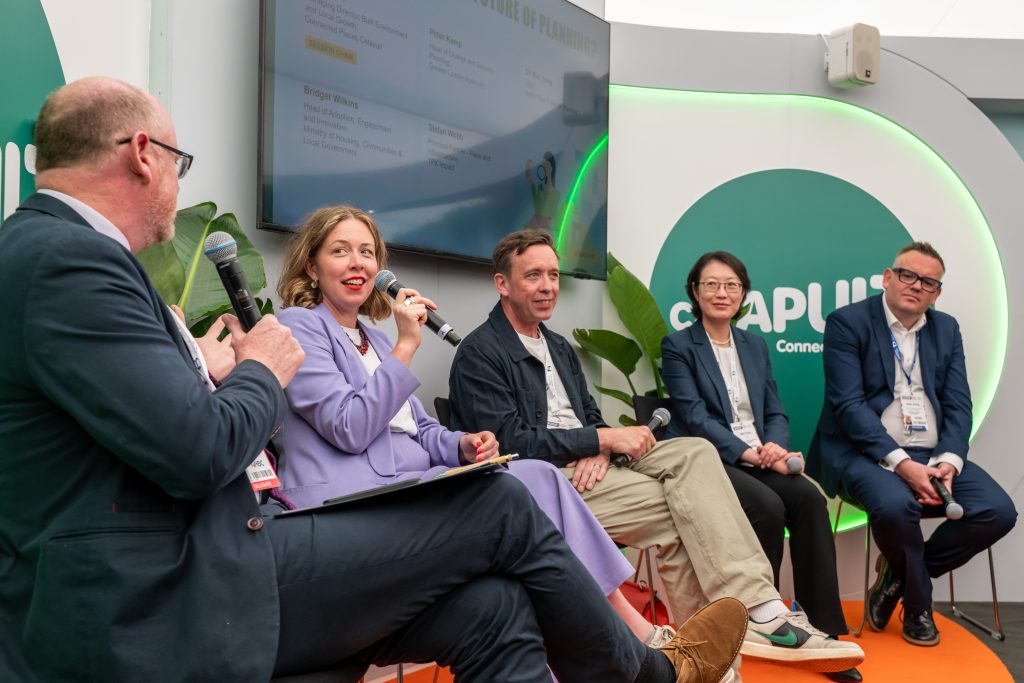
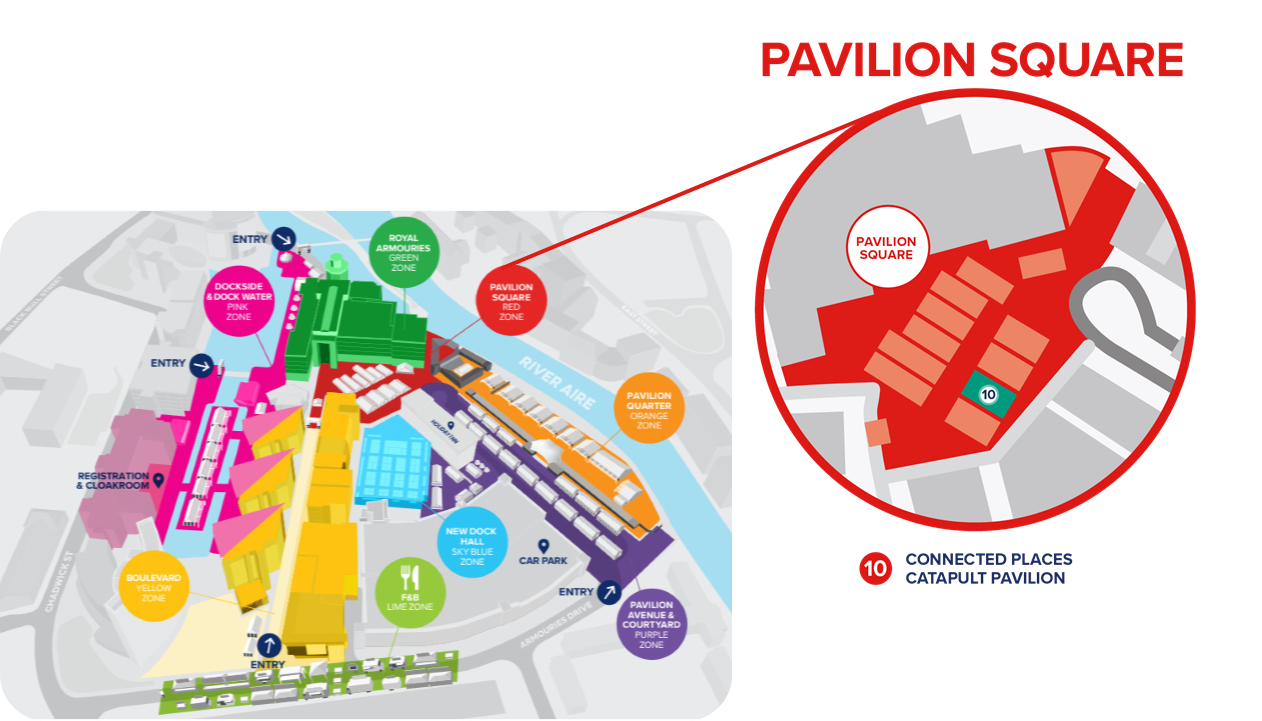
Connected Places Catapult will host our own Pavilion: a space for UK cities, regions, clusters and freeports to connect, collaborate, and tackle regional challenges. The programme will spotlight local growth and investment, construction, transport, social value, heritage, and emerging technologies.
Our UKREiiF Strategic Partner
Our UKREiiF Programme Partners
Join us to share ideas, collaborate and grow your network!
Last year we attracted over 1,200 visitors. View our 2026 pavilion’s programme:
Tuesday 19 May | 14:00 – 15:00 Closed Roundtable: Unlocking Growth in Industrial Strategy Zones Thank you to JLL for hosting the session in the JLL Pavilion.
Tuesday 19 May | 17:00–18:00 Join us for Networking Drinks hosted by Buttress Architects. Connect with the site owners, developers, investors, and architects unlocking investment through heritage‑led regeneration.
Wednesday 20 May | 17:00–18:00 Join Metro Dynamics for informal drinks and conversation to explore what it will take to turn ambition into action, and discuss opportunities to mobilise investment and growth across the UK.
Join us in our pavilion where we unite partners from across the UK to focus on delivering infrastructure and place‑based innovation. Visit us to connect with public and private sector leaders, unlock projects, and help turn ambition into real‑world delivery and regional growth.
Alan Welby, Built Environment & Local Growth Managing Director, Connected Places Catapult
10:00 – 10:45
What is the Role of Local Government in Driving Innovation and Business Growth?
Some regions already have strong innovation economies, while others are using the Local Innovation Partnership Fund to develop clusters and new triple‑helix collaborations. Building on the LGA’s ‘Force for Growth’ report, this panel will explore how local leaders can drive innovation‑led growth and the roles councillors and officers should play.
Chair: Eve Roodhouse, Director of Policy, Local Government
Cllr Ronan McLaughlin, Belfast City Region
Cllr Richard Wright, Chair of Local Councils Network and Lead Member for the LGA’s Inclusive Growth Committee
Eleanor Springer, Associate Director, Metro Dynamics Association
Prashant Pillai, Pro Vice-Chancellor for Research & Knowledge Exchange, University of Wolverhampton GIC
11:00 – 11:25
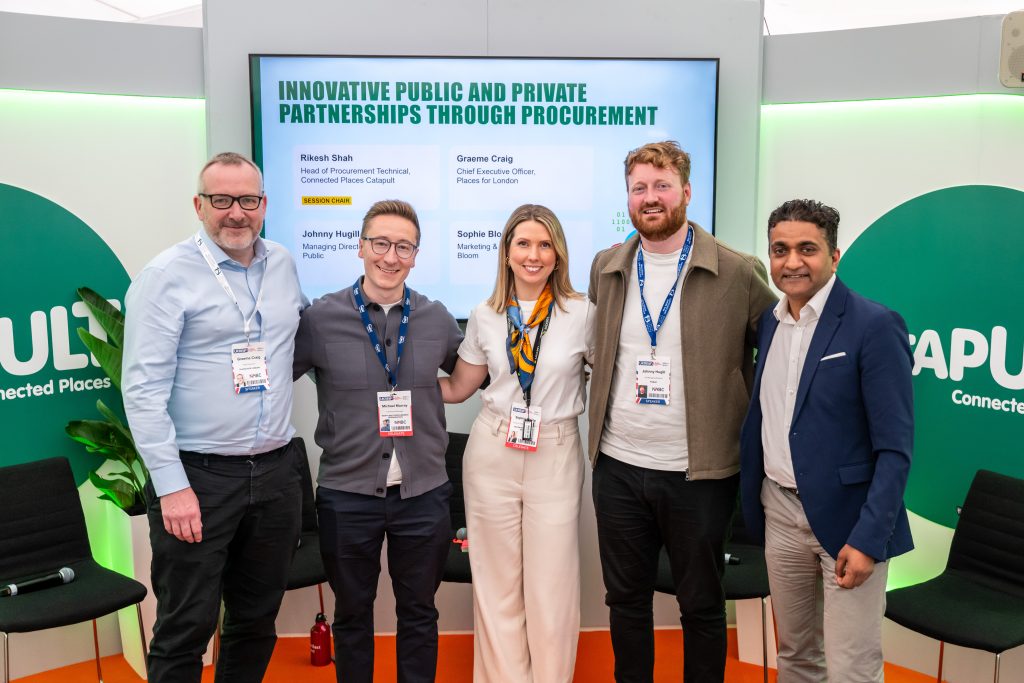
Innovation Procurement Empowerment Centre Panel
Innovation procurement is practical, compliant and already happening. This panel explores innovation procurement as a solution to barriers in public and private sector innovation, enabling place‑based growth and net zero. Through the Innovation Procurement Empowerment Centre (IPEC), Leeds City Council, and NEPO examples the panel will examine enabling SMEs and the market to drive and scale innovation in cities.
Chair: Rikesh Shah, Head of Procurement Technical, Connected Places Catapult
Richard Dawson, Economic Advisor, Inward Investment, Newcastle City Council
Ruth Long, Procurement Manager, North East Procurement Organisation (NEPO)
11:45 – 12:45
Sticky Innovation, Thriving Places: From University to Scale up
Join the UK university sector and Connected Places Catapult for a working lunch to explore how places can optimise the conditions for university spin outs to scale. The lunch follows a morning of panels in the Connected Places Catapult pavilion, with a focus on regions reaching their full potential as the sites of business growth. Apply to attend →
Helen Goulden OBE, Innovation & Partnerships, Lead Lloyds
13:00 – 13:45
Raising Private Capital for Businesses in Regions
What is holding back investment in businesses in regions? How do places turn the challenge of place-based investment into an opportunity? What are the respective benefits of different models for collaboration, investor relations, portfolio development and investment zones.
Chair: Andrew Carter, Chief Executive, The Centre for Cities
Lord Marvin Rees OBE
Andy Devaney, Executive Director of Investment and Delivery, Liverpool City Region Combined Authority
Beth Carter Ottens, Strategic Partnership Director, Investment & Advisory, National Wealth Fund
14:00 – 14:45
Financing Net Zero infrastructure – From Strategy to Delivery
This session explores how public, private and blended finance can accelerate innovation and unlock investment in Net Zero infrastructure and place-based delivery. It will examine what works, the barriers that remain, and how partners can structure investable portfolios that move projects from pipeline to implementation.
Chair: Stephen Jones, Director, Core Cities
Alana McPhee, Head of Sustainable Structuring, Barclays
Charlie Ross, Investment Manager – Real Assets, Standard Life
Patrick Allcorn, Head of Local Net Zero Demonstration and Delivery, DESNZ
14:00 – 14:45
Roundtable: Unlocking Growth in Industrial Strategy Zones (Freeports & Investment Zones)
This closed roundtable brings ISZ Senior Responsible Officers and government together for the first time to share challenges, identify opportunities, and discuss practical ways to accelerate growth across Freeports and Investment Zones. As national catalysts for innovation, ISZs will outline key barriers and potential solutions.
Hosted at: JLL Pavilion, Pavilion Square
Chair: Alan Welby, Manging Director of Local Growth and Built Environment, Connected Places Catapult
Simon Peacock, Head of Strategic Clients & UK Regions, JLL
15:00 – 15:45
Delivering Joined-Up Impact Across the Asset Lifecycle
This panel brings together practitioners from across the sector to share practical approaches to collaborative impact delivery. Expect real‑world examples and actionable takeaways, including how innovation can be delivered through procurement. The session opens with a keynote from Nicola Mathers (Future of London) on creating lasting legacy, followed by a panel discussion with an architect, planner, and developer‑manager.
Chair: Cléo Folkes, Lead Consultant – Real Assets, Thrive
Nicola Mathers, Chief Executive Officer, Future of London Chithra Marsh, Director, Buttress Architects
Chris Law, Central & Local Government Lead, Aecom
Jamie Quinn, Sustainability Director, Related Argent
16:00 – 17:00
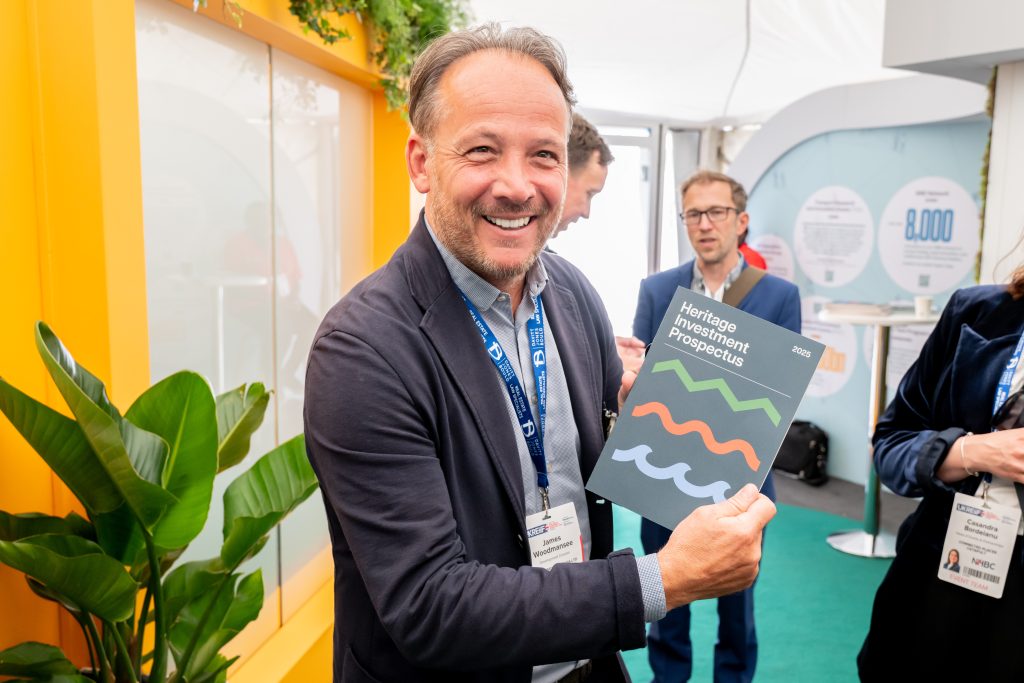
Historic England: Second Heritage Investment Prospectus Launch
Historic England launches its second Heritage Investment Prospectus at UKREiiF, alongside launch partner Buttress Architects. Join a panel discussion exploring 20 historic development sites with the potential to deliver over 1,600 new homes, unlocking investment through heritage‑led regeneration, followed by networking drinks.
Welcome: Lord Neil Mendoza CBE, Chair, Historic England
Shokat Lal, Chief Executive, Sandwell Borough Council
Matthew Dibben, Director of Regeneration, Growth and Investment, Lambeth Council
17:00 – 18:00
Networking Drinks hosted by Buttress Architects
Historic England launches its second Heritage Investment Prospectus at UKREiiF, alongside launch partner Buttress Architects. Join to celebrate and network with site owners, developers, investors and architects, and learn about 20 historic sites unlocking investment through heritage‑led regeneration. Register your interest to attend here
09:00 – 09:45
Building for outcomes: a new blueprint for sustainable delivery and smarter growth networking breakfast
Ditch the presentations and panel talks for a participative breakfast discussion. How can we deliver more homes while simultaneously tackling social and environmental crises? Is “purpose” an added luxury or the key to unlocking growth? Bring your perspective, test ideas, and challenge assumptions about what purpose-driven development can achieve.
Start the day with an interactive breakfast hosted by ReGenerate, the Quality of Life Foundation, The Crown Estate, Landsec and Muse.
Hosted by: Professor Sadie Morgan OBE, Founding Director at dRMM and Founder of Quality of Life Foundation
10:00 – 10:45
Industrialised Construction – The Viability Breakthrough?
Modern Methods of Construction have promised transformation before and fallen short. This session explores the evolution to Industrialised Construction and what’s changed: stronger pipelines, better digital standards, maturing manufacturing capability, and coordinated public‑sector demand. We’ll examine how these shifts can finally close the viability gap and unlock the market for industrialised construction, making large‑scale housing and new towns deliverable, investable and genuinely lower‑risk.
Chair: Krithika Ramesh, Head of Built Environment & Urbanism Engagement, Connected Places Catapult
Ben Jowett, Head of Digital Transformation, Wates Group
Edward Jezeph, Senior Manager, Homes England
Jeff Endean, Director, Cast
Kate Rudin, Housing and Innovation Director, Akerloff,
This session marks the launch of the Humber Freeport Investment Prospectus, showcasing investment-ready opportunities across Hull, Goole and Immingham. Featuring a short film, strategic overview and panel discussion, it highlights how Humber Freeport is unlocking sites, accelerating development and connecting investors to opportunity across a globally significant industrial cluster.
Chair: Ibrahim Mohamed, Freeports Associate Director, Connected Places Catapult
Dame Andrea Jenkyns, Mayor of Greater Lincolnshire
Luke Campbell, Mayor of Hull and East Yorkshire
Finbarr Dowling, Chair, Humber Freeport
11:45 – 12:45
Humber Freeport Networking Lunch
13:00 – 13:45
Smart Places, Smarter Councils: Driving Digital Transformation Across Local Government
With a focus on PropTech – and demonstrating the divergence of views and adoption of this – this session will discuss digital innovation in local government. This includes a review of current capacity and capability within the sector with contributions from central government in how it is supporting adoption of technology in the sector to accelerate transformation and deliver services that are more accessible, efficient, and tailored to local need.
Chair: Owen Pritchard Director of Data Insight and Innovation Local Government Association
Joanna Birch, Chief Innovation Officer, Woodbourne Group
Maria Doyle, Managing Partner at Deloitte and Chair of the Belfast City Region Place Partnership
Simon Long, Interim Head of Data and Digital for Planning and Place, The Greater London Authority
14:00 – 14:45
Accelerating Housing Through Collaborative Innovation
This session explores how the i3P collaborative innovation model can accelerate housing delivery by aligning public bodies, developers, utilities and supply chains. Applied to housing, i3P helps tackle shared constraints, de‑risk delivery, speed planning and utilities, scale modern methods, support low‑carbon solutions, unlock business growth and create investible, predictable outcomes.
Chair: Zoe Jennings, Director of Energy & Environment, South Yorkshire Mayoral Combined Authority
John Reid, Director, Homes England
Steve Tomlinson, Head of Placemaking, Platform 4 (Network Rail)
Martyn Saunders, Director, Metro Dynamics
Jen Hunt, Director of Development, Ebbsfleet
Janine Nightingale, Corporate Director, Communities, Bridgend County Borough Council
15:00 – 15:45
Minding the Gap: Investing in Innovation Districts
Focusing on the distinct market challenges facing innovation districts, this panel explores why viability gaps emerge and what makes these places particularly complex in real‑estate terms. Through case studies, we will hear how different places are addressing this challenge and the tools and tactics proving effective.
Chair: Emma Frost, Chair, Innovation Districts Group
Andrew Lewis, Chief Executive, Liverpool City Council
Helen Goulden, Innovation & Partnerships Lead, Lloyds Banking Group
Natalie Gasson-McKinley, Senior Manager, Strategy, Policy and Economics, British Business Bank
17:00 – 18:00
Networking Drinks hosted by Metro Dynamics
Join us for Networking Drinks hosted by Metro Dynamics. Meet leaders from across the public and private sectors who are driving innovation, collaboration, and investment to build better, more sustainable communities. Register your interest to attend here.
09:30 – 10:30
Key Cities Leader’s Networking Event: ‘Cities Investment and Growth’ Coffee
Hosted by Key Cities and Connected Places Catapult this invite-only networking coffee will bring together city leaders from across the UK to discuss how local authorities, the government and the private sector can work together to drive economic growth. Cllr Tudor Evans
Vasant Chari, Regional and Local Growth Director, Connected Places Catapult
Cllr Tudor Evans, Leader of Plymouth City Council
Meet us in Pavilion Square to collaborate, discuss and extend your network.
To find out how to arrange a business meeting with us, join the discussion in the pavilion or collaborate on projects contact us at events@cp.catapult.org.uk
IPEC Research
Extracting Insights from Procurement Data
Authors
Annum Rafique City-REDI, University of Birmingham
Pei-Yu Yuan Alliance Manchester Business School
Understanding trends in public sector spending, supplier engagement, and funding allocation effectiveness is crucial in building trust in the government. A comprehensive understanding of procurement contracts enhances accountability and provides actionable intelligence for policymakers and stakeholders, enabling them to assess the effectiveness of procurement strategies and monitor progress toward sustainability goals.
This research brief explores the methodological approach of text mining and using it for procurement contract analysis. The approach focuses on keyword-based filtering and data extraction to identify relevant contracts, providing a practical approach for researchers, policymakers, and stakeholders without specialised expertise in natural language processing (NLP) or machine learning.
Using the methodology, we analysed structured data from Tussell database for the year 2022, examining social housing retrofitting contracts in the West Midlands. To gain a deeper understanding of the procurement landscape in the West Midlands Combined Authority (WMCA) area, a subregion within the broader West Midlands, refer to the IPEC publication: “Retrofitting Social Housing in the West Midlands Combined Authority (WMCA) Area”. This report by Annum Rafique (2025) provides valuable insights into procurement challenges, supply chain dynamics, and policy considerations specific to the region.
Applying the text mining methodology to Tussell’s procurement data provided several key insights:
Single-Supplier Contracts: Most procurement contracts involved only one supplier, limiting multi-supplier collaborations.
Short-Term Contracts: The majority of contracts had a duration of one year or less, which is a challenge for long-term retrofitting projects.
Regional Supplier Distribution: Many contracts were awarded to suppliers outside the West Midlands, indicating potential gaps in local supplier capacity.
SME Participation: 65% of suppliers were SMEs, showing a positive trend toward engaging smaller firms in retrofitting projects.
These findings provide a data-driven foundation for improving procurement strategies, enabling policymakers to extend contract durations, support regional supplier development, and enhance SME participation. The insights derived from this methodology support evidence-based decision-making and reinforce procurement as a strategic tool for driving innovation, economic resilience, and the transition to a low-carbon economy.
Extracting Insights from Procurement Data – A Text Mining Approach for Social Housing Retrofits in the West Midlands
Public procurement in the UK is worth nearly £400bn a year, yet many organisations still struggle to use it as a tool for driving change.
At IPEC, we believe procurement isn’t just about process; it’s about unlocking opportunities, supporting local economies, and delivering better public services. That’s why we’re empowering local authorities to take a more strategic, innovation-friendly approach.
In our latest panel discussion at the IPEC Annual Reception, we brought together industry leaders to explore key issues shaping the future of public sector procurement. Featuring:
Rikesh Shah, Head of IPEC
Elizabeth Vega, Group CEO, Informed Solutions; Chair of the session
David Wilkins, Head of Smart City, Digital & Innovation, Westminster City Council
Answer: Key risks include not conducting PME early enough in the procurement process and failing to integrate insights from PME into the procurement strategy, reducing its impact. This is particularly pertinent if we are bringing new innovative solutions forward.
Answer: PME should include market research to identify potential suppliers and their ownership structures. For procurements with national security implications, organisations should engage with security teams to ensure compliance with regulations.
Answer: We are seeing some good examples from across the public sector when it comes innovating through procurement but not enough. To drive innovation procurement at scale, it is crucial to create the right internal culture for innovation through procurement to thrive. Sharing successful examples and providing training on risk management and innovation procurement will also improve outcomes.
Answer: It is about working with initiatives like IPEC with the aim to empower colleagues in the public sector to use procurement in a new way. Subsequently, it is then about creating new communication vehicles e.g. establishing a dedicated platform or network within local government can facilitate the sharing of successful procurement approaches, enabling different teams to learn from each other and adopt proven solutions.
Answer: Barriers often stem from governance, funding structures, and organisational culture. Addressing these challenges requires clearer communication between legal and procurement teams, better training, and a more open approach to risk management.
Answer: The Competitive Flexible Procedure can be suitable for procuring long-term innovative solutions which creates more room for R&D, iteration as well as scale, but councils need to ensure that the outcome of a pilot does not unfairly advantage a supplier. Contract specifications, payment structures, and performance measures must be carefully considered, especially for SMEs.
Answer: The new Procurement Act introduces a “Procurement Review Unit” to ensure compliance. While the centralisation of procurement listings is not guaranteed, it may help address accessibility and transparency concerns.
Answer: Not necessarily. In cases such as framework agreements, competition may have already occurred earlier. Value for money should be assessed through governance processes to ensure that the awarded supplier meets the requirements.
Answer: Frameworks can both enable and hinder innovation. Open, dynamic frameworks can provide access to innovative solutions, but traditional frameworks tend to prioritise pre-vetted suppliers, which may not always be the most innovative.
Answer: Innovation is often mistakenly defined as something entirely new. However, it can take many forms. Each procurement process should clearly define innovation in its specific context, whether it involves proven technology, transformational change, incremental improvement, or co-designing solutions with suppliers.
Answer: Collaboration across local authorities to pool resources can help with large-scale challenges like environmental improvements. However, governance complexities can make managing joint projects difficult. Clear governance structures and effective facilitation are key to ensuring successful outcomes.
Answer: Standard model contracts can be useful if thoughtfully designed, adaptable, and crafted by experienced procurement and legal professionals. They should be tailored to suit the specific needs of innovation procurement, especially for SMEs.
Answer: Yes. Rigid specifications can hinder innovation. A clear problem statement, coupled with early market engagement, allows for flexibility and better exploration of potential solutions, helping to achieve the desired outcome.
Answer:
Ultimately, it’s about generating new value. At a macro level, there has been a Return on Investment if innovation through procurement is to work. The nature of innovation means that it is inevitable that some things won’t work as initially hoped but at an aggregate level, there should be overall value.
It can be quantified by several factors:
Ultimately, it’s about generating new value. At a macro level, there has been a Return on Investment if innovation through procurement is to work. The nature of innovation means that it is inevitable that some things won’t work as initially hoped but at an aggregate level, there should be overall value.
It can be quantified by several factors:
Public sector reporting that shows the transition from prototype and pilot projects to fully operational solutions.
The sharing of lessons from successful projects across the public sector.
A growing and diverse SME marketplace with equal opportunities for start-ups and scale-ups.
Stronger direct spend with SMEs, demonstrating the public sector’s ability to procure innovation independently.
SMEs retaining and monetising new intellectual property (IP) to leverage national and international business growth.
These factors suggest that success is measurable and achievable, leading to more effective, inclusive, and sustainable innovation procurement.
IPEC Research
The role of public procurement on the performance of Knowledge-intensive business services
Authors
Xiuqin Li Alliance Manchester Business School
Xin Deng Alliance Manchester Business School
Elvira Uyarra University of Manchester
Knowledge-Intensive Business Services (KIBS) are the cornerstone of innovation in a knowledge-based economy. Acting as facilitators, carriers, and sources of innovation, KIBS firms play a pivotal role in enhancing both public and private sector capabilities. These services encompass a wide range of expertise, from accountancy and management consultancy (Professional KIBS or P-KIBS) to IT and R&D services (Technology-based KIBS or T-KIBS).
Public procurement offers an invaluable opportunity for fostering innovation through KIBS. By serving as suppliers to government agencies, KIBS firms contribute to technological advancements, public service transformation, and regional economic growth. Our research analyses the dynamics of KIBS engagement in UK public procurement from 2016 to 2022, shedding light on patterns, trends, and opportunities.
Key Findings:
Innovation Amplification – KIBS suppliers show significant innovation, particularly in digital and technological domains. This is evident in their strong representation in computer programming and management consultancy services.
Typological Dynamics – Firms providing IT, engineering, and R&D services (T-KIBS) excel in central government procurement, meeting technical and digital demands. Accountancy and consultancy services (P-KIBS) support broader management and administrative needs across various government levels.
Geographical Patterns: KIBS suppliers are predominantly concentrated in London, benefiting from urban networks and knowledge spillovers. However, non-KIBS firms display broader regional dispersion, particularly in the Southeast.
Sectoral Growth: T-KIBS suppliers have seen robust growth, reflecting the increasing digitalization of public sector operations, including the adoption of AI and cloud technologies.
To maximise the contributions of KIBS, especially SMEs, to public procurement and innovation, the following strategies are essential:
Streamline Procurement Processes: Simplify access for SMEs by reducing procedural barriers and enabling smaller contract lots.
Focus on Innovation: Embed criteria that prioritise innovative solutions in public contracts.
Promote Regional Participation: Encourage the involvement of regional KIBS firms to address geographical imbalances and foster local innovation ecosystems.
KIBS firms hold immense potential to drive innovation, economic growth, and public service transformation. However, achieving this requires a nuanced approach that balances the strengths of T-KIBS and P-KIBS, promotes regional diversity, and ensures sustainable procurement practices. By addressing these challenges, public procurement can unlock the full potential of KIBS to reshape the innovation landscape.
Exploring the roles of public procurement on the performance of Knowledge intensive business services (KIBS)
Retrofitting Social Housing in the West Midlands Combined Authority (WMCA) Area
Authors
Annum Rafique City-REDI, University of Birmingham
The UK is at a critical point in its transition to a net-zero future, with one of the most urgent challenges being the retrofitting of social housing to transform them into energy-efficient, low-carbon homes to meet the 2050 net-zero targets. While the benefits of this transition are apparent (lower emissions, higher living standards, and cheaper energy prices), attaining it will necessitate overcoming numerous barriers. Public procurement is at the heart of this challenge: the mechanism through which funding is secured for projects, quality is maintained, and key stakeholders are aligned.
This research brief explores the procurement barriers associated with retrofitting social housing in the West Midlands Combined Authority (WMCA) area and the innovative solutions and initiatives used to overcome them. Key barriers, such as financial constraints, quality assurance concerns, and coordination complexity, are examined alongside actionable solutions implemented in the area. The WMCA area serves as a good example of how to address the intricacies of retrofitting at scale. Securing funding through initiatives such as the Social Housing Decarbonisation Fund (SHDF), as well as collaborations with industry and academia, has allowed local and regional governments in the WMCA area to address funding constraints, ensure quality assurance, and develop a skilled workforce capable of driving low-carbon transitions.
By fostering collaboration and embracing innovative procurement approaches, the area is transforming challenges into opportunities, setting a benchmark for progress in the housing sector. By leveraging these strategies, policymakers, researchers, and stakeholders can accelerate the transition to energy-efficient social housing.
Key Points from the Brief:
Retrofitting Challenges: Financial constraints, quality assurance issues, and stakeholder coordination complexities hinder large-scale retrofitting efforts for social housing.
WMCA’s Achievements: The region has upgraded over 2,600 homes under the SHDF and secured £700 million since 2018 to support retrofitting initiatives.
Role of Procurement: Innovative procurement strategies are essential for overcoming barriers, driving cost efficiency, and fostering market innovation.
Net-Zero Approach: WMCA integrates retrofitting with broader initiatives like Net Zero Neighbourhoods and Energy Capital to maximise impact.
Future Focus: The study will develop best practices and analyse economic impacts to support efficient, scalable, and sustainable retrofit solutions
Retrofitting Social Housing in the West Midlands Combined Authority (WMCA) Area: Overcoming Procurement Barriers for a Net-Zero Future
Raquel Ortega-Argilés Alliance Manchester Business School
Public procurement represents a pivotal mechanism for fostering innovation, constituting nearly 15% of GDP in OECD countries. In the UK, this accounts for a significant portion of public expenditure, with SMEs playing a vital yet underutilised role. This research publication investigates how public procurement influences SME innovation, with a particular focus on patenting activity from 2016 to 2019.
Key Findings:
Innovation Amplification: SMEs engaged in public procurement exhibit higher patenting activity compared to their non-supplier counterparts, emphasizing procurement’s role as a demand-pull policy tool.
Incremental and Exploratory Innovation: Government suppliers outperform non-suppliers in both familiar technological areas and novel domains, illustrating the dual role of public contracts in supporting both incremental and exploratory innovation.
Technological Directions: Central government procurement drives advanced innovation in areas such as Physics and Electricity, while local governments focus on applied fields like Mechanical Engineering and Transportation.
SMEs constitute 99% of UK businesses yet account for only 20% of direct public procurement spending. Despite this, the research highlights procurement’s stabilizing influence on innovation, even amidst challenges such as delayed patent data capture and economic disruptions.
Central Government’s Strategic Impact: Central procurement supports cutting-edge innovation tied to national priorities, showcasing the potential of large-scale contracts to steer technological advancements.
Local Government’s Regional Focus: Local procurement enhances community-level infrastructure and applied technological solutions, aligning regional innovation efforts with broader policy objectives.
To unlock the full potential of SMEs in driving innovation, the following strategies are recommended:
Streamlining procurement processes to increase accessibility for SMEs.
Embedding innovation-focused criteria in public contracts.
Enhancing local government capacity to support regional innovation ecosystems.
Unlocking procurement: A practical guide to pre-market engagement
The incoming Procurement Act 2023 prioritises Preliminary Market Engagement (PME) to simplify processes, boost innovation, and enhance supplier diversity.
The incoming Procurement Act 2023 prioritises Preliminary Market Engagement (PME) to simplify processes, boost innovation, and enhance supplier diversity. Created by IPEC and Gardiner & Theobald, this guide provides the tools to stay ahead, ensuring your procurement practices align with future-focused policy goals like net-zero transitions and mission-focused outcomes.
Why Read This Guide?
The UK public sector spends over £380 billion annually, yet much of its procurement potential remains untapped as a driver of innovation. This guide demonstrates how Preliminary Market Engagement (PME) can diversify the supplier base by engaging SMEs and new entrants, capture cutting-edge innovations, foster buyer-supplier collaboration for mutual value creation, and mitigate risks by refining procurement requirements early in the process.
Pre-market engagement is the key to finding innovative solutions to pressing challenges. This guide is your essential tool for unlocking the public sector’s potential to deliver transformative outcomes.
Rikesh Shah, Head of IPEC
Engaging with supply chains early creates informed clients, inspires innovative thinking, and ensures projects deliver maximum value.
John Mead, Partner, Gardiner u0026amp; Theobald
Key Insights You’ll Gain:
Best Practices for PME: Explore actionable strategies, including tactical and strategic PME approaches, to drive sustainable and innovative public sector outcomes.
Becoming an Informed Client: Learn how understanding market dynamics and engaging with supply chains early creates smarter, more effective procurement processes.
Leveraging the Procurement Act 2023: Discover how the Act empowers flexibility and transparency to support innovative outcomes while creating more opportunities for SMEs.
Download the guide now to access practical tools for innovative, impactful results.
Find this information useful?
Download a PDF of this page for quick and easy access anytime!