Allye Energy: providing batteries out in the field
Second life batteries are being repurposed for use on construction sites by a Catapult-backed SME with ambitious growth targets.
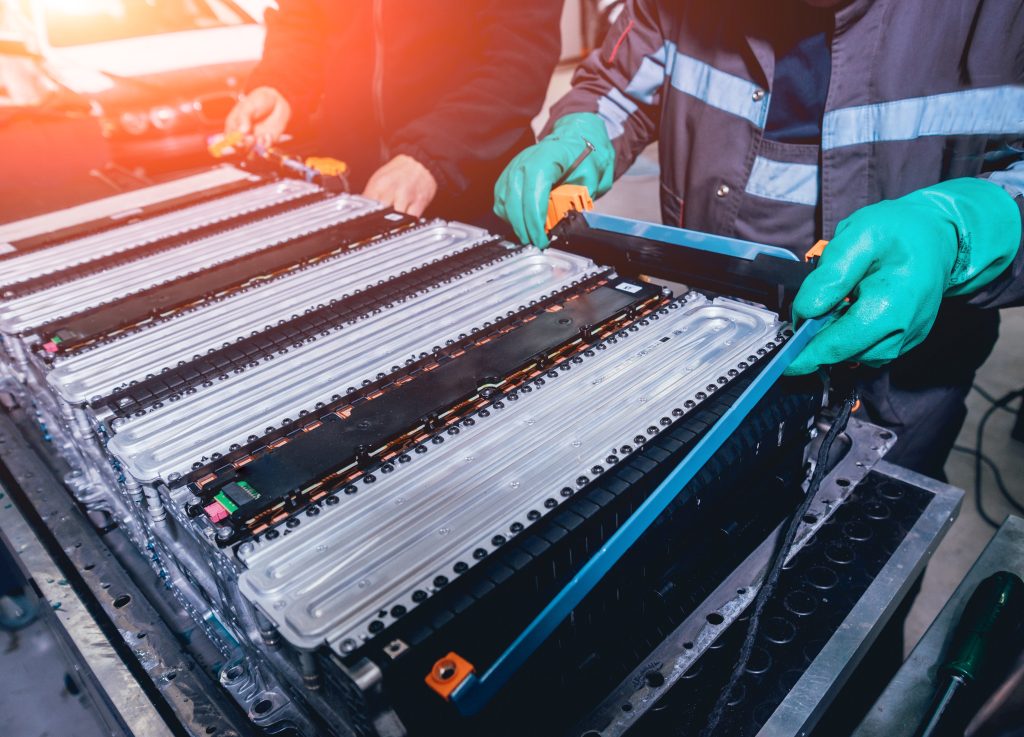
Grid connection delays and limited capacity are making it harder to deploy electric vehicles, construction equipment and charging infrastructure. At the same time, growing demand for electricity is putting greater pressure on organisations to maintain resilient operations.
But infrastructure projects do not always have to wait for additional grid capacity.
Across the UK, innovative battery technologies are already providing flexible power where grid capacity is limited; improving charging performance and reducing reliance on diesel generation.
Connected Places Catapult is working across industry and innovative UK businesses to help turn these emerging technologies into practical solutions to real infrastructure challenges.
Battery innovation is no longer confined to research laboratories. Significant public and private investment is helping to accelerate the development and commercialisation of new technologies across the UK.
The Government has committed £452 million through its four-year Battery Innovation Programme, including £47 million in research and development funding for 11 battery technology consortia.
A further £380 million has been announced to support the development of Agratas' battery manufacturing facility in Somerset, strengthening the UK's battery manufacturing capability.
Together with investments in facilities such as the UK Battery Industrialisation Centre and GreenPower Park in the West Midlands, this is strengthening the UK's capability to develop and commercialise new battery technologies.
For infrastructure owners and operators, the significance goes beyond investment figures. A growing range of technologies is moving closer to commercial deployment, creating practical options for organisations facing constraints around grid capacity, charging performance and energy resilience.
The challenge is understanding which solutions are sufficiently mature, where they can add value and how they can be integrated into complex operational environments.
This is already beginning to happen across UK infrastructure.
For many infrastructure organisations, the challenge is increasingly not whether to electrify, but how to do so when sufficient power is not available where and when it is needed.
Battery energy storage can provide an alternative route. By storing electricity when capacity is available and deploying it when demand increases, these systems can help overcome local grid constraints and introduce electric equipment without necessarily waiting for major grid upgrades.
Battery specialist Allye Energy has installed more than 20 energy storage units in the UK and Ireland for clients including Roadchef, which uses the technology to provide a reliable source of power for its Killington Lake service station on the M6 in Cumbria, to address resiliency needs.
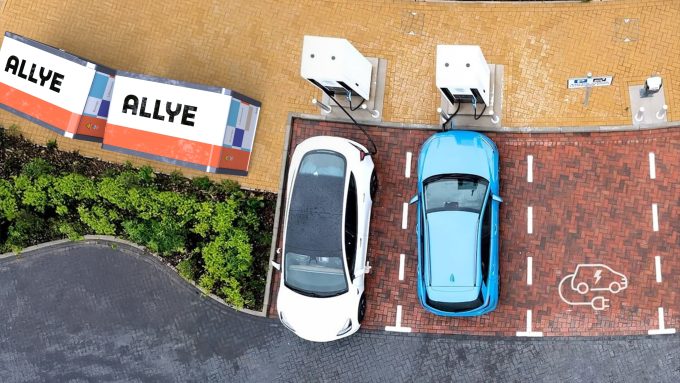
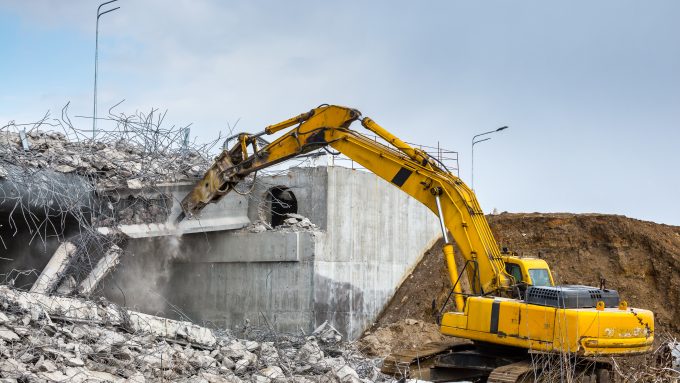
The company also supplies its mobile batteries for major tier one contractors working on the Lower Thames Crossing. The technology provides power to remote sites and allow electric construction machines to run for longer without having to be driven off site to recharge.
For infrastructure owners and contractors, solutions like these offer greater operational flexibility, improve energy resilience and enable decarbonisation projects to progress without waiting for new grid connections.
Electrifying commercial and specialist vehicle fleets presents another challenge. High-powered charging can place significant demands on local electricity networks, particularly at sites where available grid capacity is limited.
Battery specialist TUAL has developed high powered electric charging technology designed to address this problem.
The company installed its first ‘PowerUp’ ground unit in June ahead of a deployment of up to 30 units for a multinational utility client.
The system provides high power charging to large electric vehicles in locations that only have low power supply. ‘Battery buffering’ allows electricity to be drawn during off-peak times and stored until higher power is required.
A separate portable battery system acts as a range extender, allowing drivers to top up their vehicle’s charge on the go.
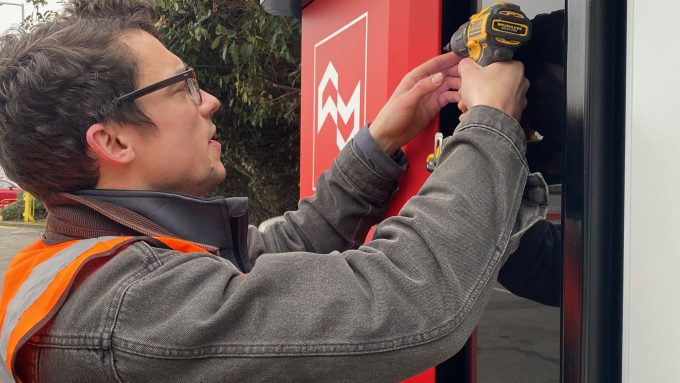
As we become more dependent on batteries, charging time and battery performance will increasingly affect productivity as well as decarbonisation.
Global Nano Network has developed Hyperfoil, a technology designed to improve battery performance and reduce a 45 minute charging time to 15 minutes.
The company is expanding its UK operations as it works towards commercial scale, enabling faster adoption across transport and infrastructure sectors.
For infrastructure operators, advances in battery and charging performance could mean less equipment downtime, greater asset utilisation and more efficient operations.
Taken together, these examples demonstrate an important shift. Battery innovation is no longer solely about improving the technology itself. It is increasingly about solving practical infrastructure problems – providing power where the grid cannot, enabling electrification where charging capacity is constrained and helping critical equipment stay operational for longer.
As more technologies reach the market, infrastructure owners and operators face a different challenge: identifying which solutions are right for their requirements and creating a credible route from innovation to deployment.
Technology needs to work within existing assets, systems and operational environments. It needs to demonstrate value in real-world conditions and meet the commercial and operational requirements of the organisations expected to adopt it.
This is where Connected Places Catapult can help.
Working across transport, infrastructure and the innovation ecosystem, we help organisations understand where innovation could address operational challenges, identify relevant technologies and create opportunities to test and demonstrate solutions in real-world environments.
“Batteries will be critical to the decarbonisation of all transport sectors, and Connected Places Catapult plays a key role in understanding real-world requirements and helping UK companies scale to meet them.”Rebecca Advani, Senior Consultant at Connected Places Catapult
If grid capacity, charging requirements or energy resilience are constraining your electrification plans, innovation could provide another route forward.
Connected Places Catapult can work with you to explore your operational challenge, identify relevant solutions and create opportunities to test and demonstrate technologies in real-world environments.
Talk to us about your infrastructure energy challenge.