articles
Smarter monitoring and maintenance urged for infrastructure assets
A new i3P community of practice is bringing infrastructure sectors together to support smarter, more proactive management of the UK’s existing assets.
Investment in new infrastructure may grab people’s attention, but keeping the UK’s existing assets safe, reliable and resilient is an equally urgent challenge.
According to the Institution of Civil Engineers, the Government’s infrastructure strategy is rebalancing capital investment towards asset management; and it says the National Infrastructure and Service Transformation Authority is looking to gain greater value from infrastructure through effective asset management.
Each week, the stewards of the country’s transport, energy and communication networks have to prioritise where money is spent, and resources are allocated, to keep systems functioning properly.
However, as our infrastructure continues to age – and the demands we place on it grow – new strategies are needed to ensure assets can remain resilient, without breaking the bank.
One such approach is to move from traditional ‘time-based’ monitoring and maintenance – where infrastructure is inspected and maintained on a set schedule, regardless of need – to a more intelligence-driven, ‘risk-based’ approach to asset management, where interventions take place when they are required.
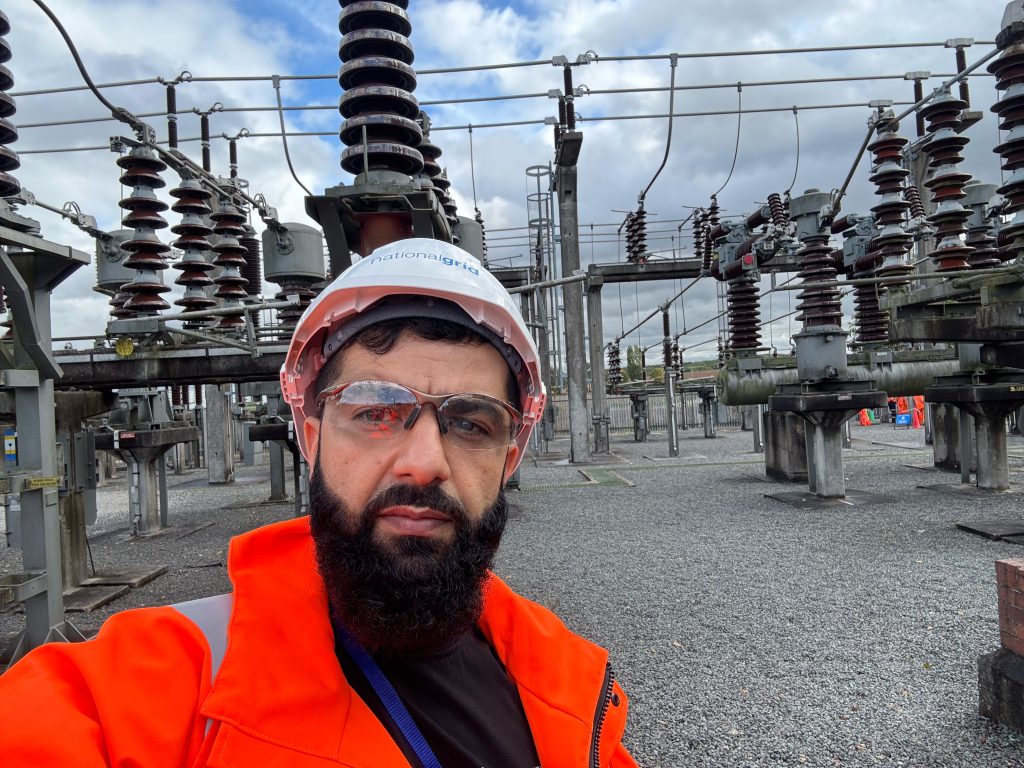
Leading this fresh thinking around how best to manage the country’s infrastructure assets is a new i3P community of practice focused on monitoring and maintenance, led by Mustafa Mangal, an asset management engineer with National Grid.
“Our ultimate goal is to become less reactive and more proactive with our asset management. Better asset intelligence leads to better decision making, and that better decision making should lead to safer and more reliable and resilient infrastructure.”Mustafa Mangal
Making greater use of monitoring tech
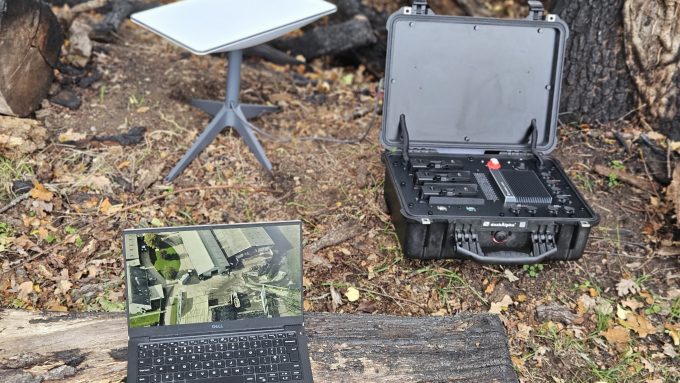
One way of achieving this goal is through a greater use of condition-monitoring technologies that provide infrastructure owners with timely and accurate information on asset health. Examples include sensors installed on bridges or electricity transmission assets, as well as drones used to monitor power lines and collect condition data.
“A risk-based approach helps us avoid replacing assets simply because they have reached a predetermined age or maintenance interval,” adds Mustafa. “Instead, we make decisions based on risk so that we don’t intervene too early – which costs money and resources – or intervene too late.”
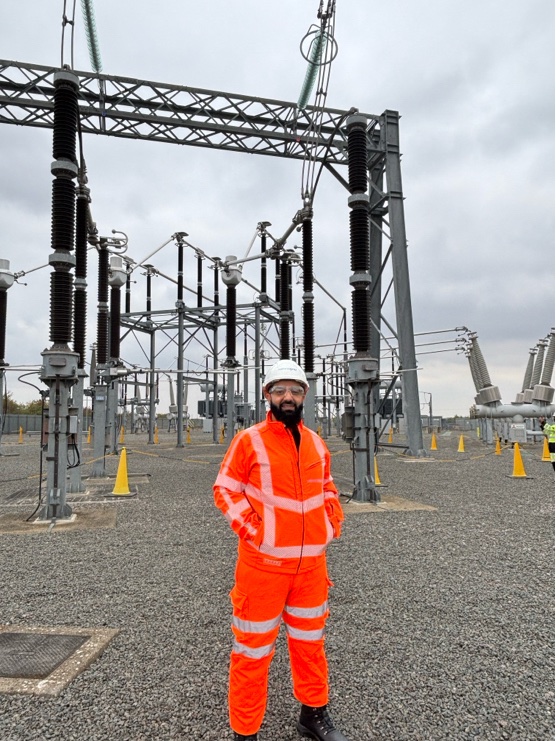
He adds that each year sees additional infrastructure assets brought on stream to meet tomorrow's need, thereby stretching already limited finance and resources. As a result, getting the timing of interventions right makes good sense.
Considering a changing climate
Getting smarter at asset management is also becoming more pressing due to our changing climate, where the failure of assets such as railway embankments or energy transmission networks, for instance, is becoming more prevalent in extreme heat, heavy rainfall, or drought.
“The effects of climate change on infrastructure are significant, and the risks of asset failures are real and increasing,” says Mustafa. “Without having the right knowledge of the condition of the assets, we cannot be sure we are maintaining them at the right time.
“Ultimately, the consequence of not adopting real-time condition monitoring could be increased asset failures or more unplanned outages, as well as higher maintenance costs or services being disrupted for customers.”
Mustafa says there is plenty of innovative solutions available to monitor infrastructure, “but the challenge is not innovation itself; it is implementing proven technologies at scale and embedding them into operational practice.
“This is why i3P is a great forum where sectors come together to scale up technologies rather than companies working individually in silos.
“The main purpose of the community of practice is not to focus on any one organisation’s specific issue; we want to focus on common challenges that are shared across infrastructure sectors, and for innovative solutions and lessons learned to be transferred. If it's not applicable across sectors, we won’t take it forward.”
Railways and robotics
Mustafa says that maintaining infrastructure on railway lines can be a particular challenge, given that closing track for engineers to carry out inspections causes services to be cancelled. Reviewing whether exceptions to this rule could safely be introduced is being discussed by the group.
In the meantime, advances in robotics provide an opportunity for autonomous plant to carry out maintenance tasks beside live railways while trains continue to run, he explains. Inspections can also be carried out by flying drones over live railways to take photographs and videos of assets.
Using AI analytics for monitoring can also reduce human error associated with people walking a site on foot, he adds. “Robotics, automation and AI-supported analytics can improve the consistency and frequency of inspections, increasing the likelihood of identifying issues at an earlier stage, so we can make decisions and intervene accordingly.”
Future ambitions articulated
“Success for our community of practice would be to see a genuine shift from time-based and reactive monitoring and maintenance towards more predictive and risk-based decision making across the infrastructure sector,” adds Mustafa.
“I want to see our community bring forward real challenges, collaborate on solutions and develop practical pilot projects that will deliver tangible outcomes."
“Ultimately, in a few years’ time, we hope to point to examples where innovation has improved the reliability of infrastructure assets, enhanced safety for engineers and delivered better value for customers.
“If we are able to demonstrate something that could make people’s lives easier, increase safety, reliability and resilience of the network – and at the same time represent good value for money – the effort will be worthwhile.”
Find out more about the work of i3P and its monitoring and maintenance community of practice.