
articles
Allye Energy: providing batteries out in the field
Second life batteries are being repurposed for use on construction sites by a Catapult-backed SME with ambitious growth targets.
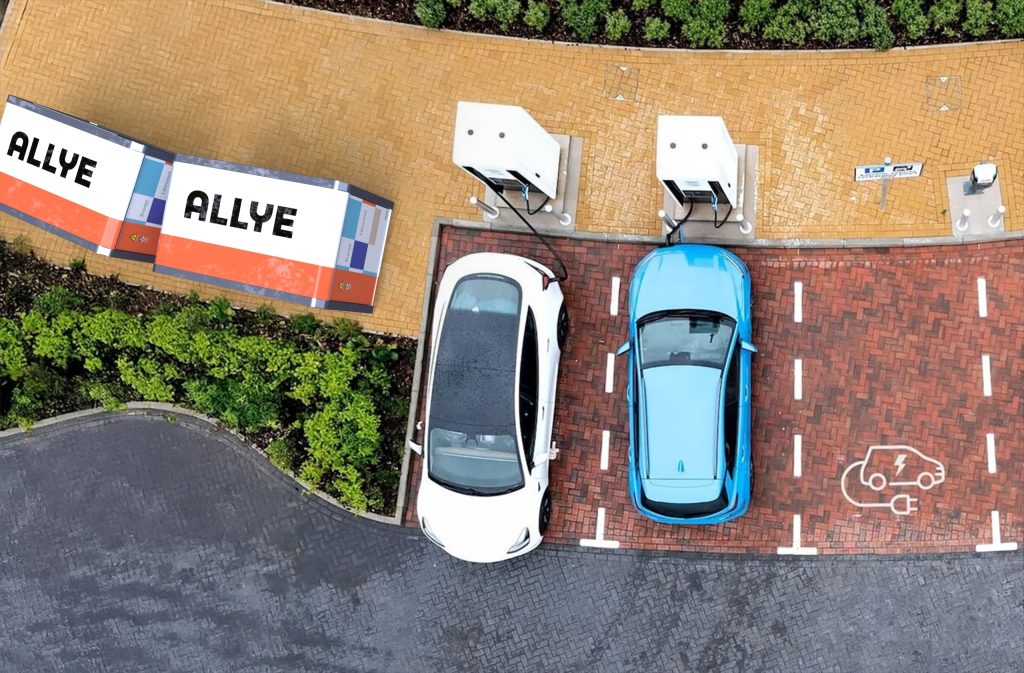
Operating multiple electric vehicle chargers or generators on remote sites – and keeping battery powered construction machines running – can prove challenging if energy grid connections are limited, or not available.
To bring power to where it’s needed and provide energy storage on site, battery specialist Allye Energy delivers portable units made from second life electric vehicle batteries to locations with multiple power demands.
Last year, the company was supported by Connected Places Catapult on a visit to India to see how its technology – alongside AI to optimise energy flows – could help communities overcome grid constraints, and deliver electricity to businesses and users of electric micro mobility vehicles.
“India represents one of our biggest potential markets, because the country is increasingly electrifying but suffers rolling blackouts,” says Allye Energy programme manager Bryn Jones.
“Thanks to the Catapult, we were introduced to the grid operator in Calcutta, demonstrated our battery storage system and had some useful conversations that informed our thinking.”Bryn Jones, Allye Energy programme manager
This spring, Allye Energy secured £1.86 million funding from a consortium of investors to scale operations and recruit more engineers. Its revenues to date are £3 million, and the company is aiming for £50 million by the end of the decade.
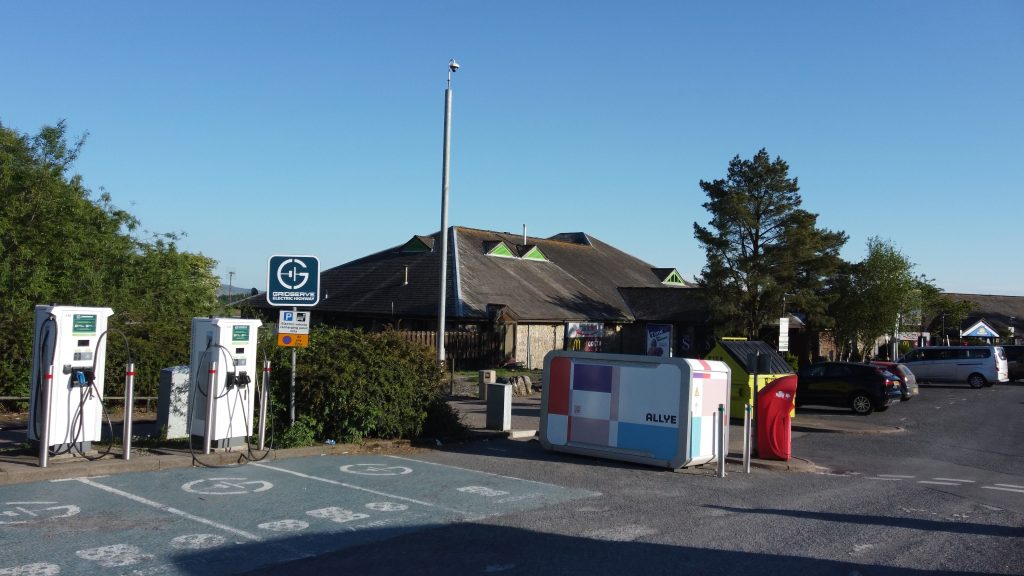
More than 20 energy storage units have been installed in the UK and Ireland for clients including Roadchef, which uses units to provide a reliable source of power for its Killington Lake service station on the M6 in Cumbria, to address resiliency needs.
Other clients include film production companies shooting movies in the field, where a temporary but secure connection to the grid is essential to maintain, explains Bryn, “a small village with huge demands for lights, sound equipment, hair and make-up trailers and a catering truck”.
The company now supplies its mobile batteries for major tier one contractors at Lower Thames Crossing, to deliver power to remote sites and allow electric construction machines to run for longer without having to be driven off site to recharge.
“Construction is our next big sector, to support major projects in charging plant in locations where it may not be sensible to make a big grid connection,” says Bryn.
“The grid as it stands is not entirely fit for purpose and this is true around the world. There is a need for something in the short to medium term to support the grid, and allow for a rapid increase in energy consumption.”
Bryn says second life electric vehicle batteries are ideal for repurposing as small energy installations as they are often recycled prematurely.
“Two big market drivers are the large number of industries that are grid constrained, and the fact that the lead time between wanting power and getting it to site can be years.”
“Large grid connections can be very expensive, whereas our battery storage system can provide for short term demand.”
Bryn says Connected Places Catapult’s input helped “guide our strategy, research and focus” and the trip to India allowed the firm to receive feedback from potential customers to understand how their pain points can be resolved using technology.
“Rather than develop product features that might not be needed, we were able to ask customers what is useful to them,” he adds.
Find out more about how Connected Places Catapult supports SMEs.