
articles
Innovation will be vital says rail transition lead
How railway reform will impact the landscape for innovators was debated at the Connected Places Summit.
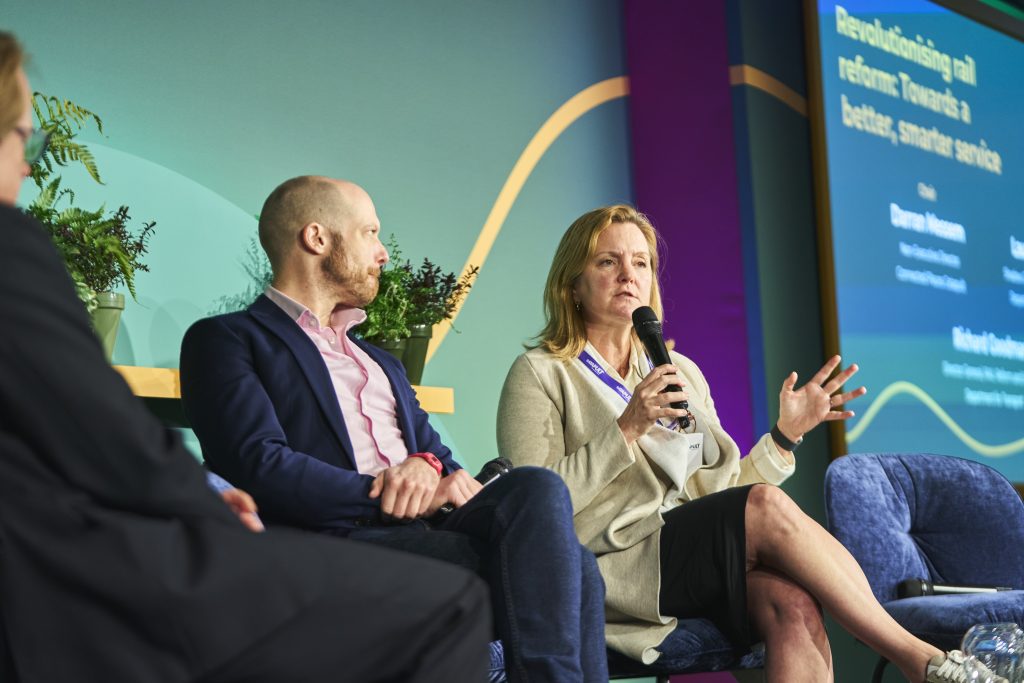
Don’t wait for Great British Railways to exist before coming forward with innovative solutions, Laura Shoaf CBE urged SMEs at the Summit.
“We can’t make Great British Railways as good as it could be without people who innovate,” added Laura, the Chair of Shadow Great British Railways – set up to manage the transition to the new organisation.
She also said she “doesn’t want people to think that railway innovation is not going to be required” just because train operating companies are coming back into public ownership.
Laura pointed out that technology will be a power for good on the railways – particularly around predictive maintenance, and making infrastructure more resilient to climate change.
“We've got plenty of old infrastructure, so this is about how we are going to use innovation to make sure that we can maintain it. If the infrastructure doesn't work, services don't run.”Laura Shoaf CBE, Chair of Shadow Great British Railways
Laura was speaking on a panel chaired by Darran Messem, a Non-Executive Director at Connected Places Catapult; and alongside Richard Goodman, the Director General of Rail Reform and Strategy at the Department for Transport.
Customers driving decision making
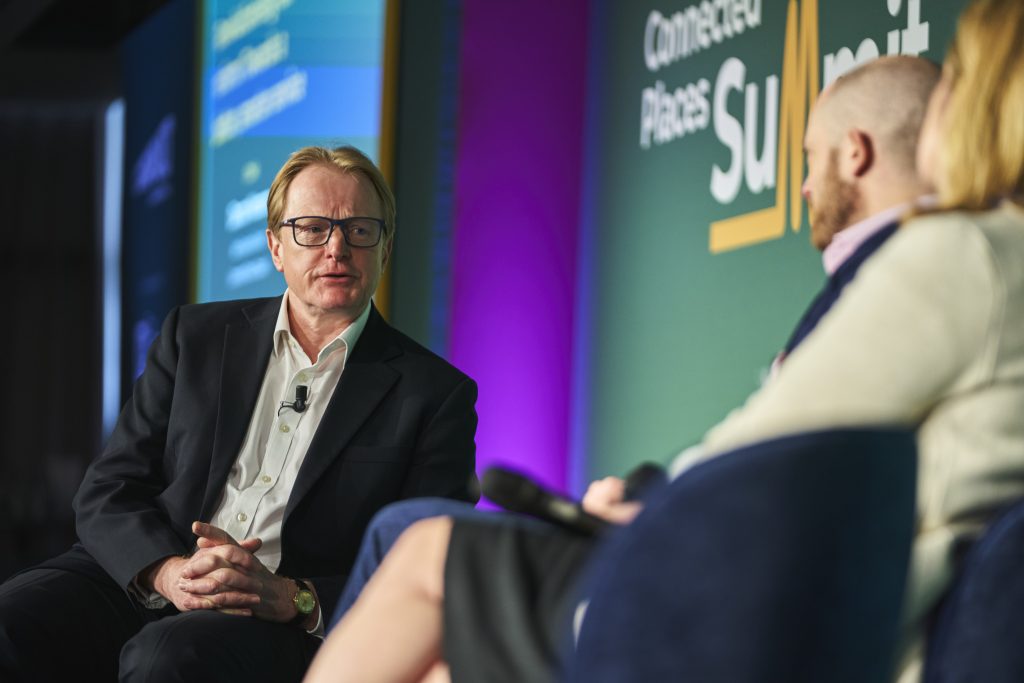
Richard told the Summit that creation of Great British Railways is about putting customers back at the heart of the railway.
He went on to say that the new organisation promises to improve accountability for delivery, leading to a better service. It will also offer a “clearer line of sight” in managing a very large enterprise spending £20Bn a year and with a staff of 100,000.
But with the challenge of managing “Victorian infrastructure including narrow gauge tunnels through the Chilterns” the creation of the new body will not solve every issue on the railways. Instead, it will mean it can “attack the challenges that are going to come at us more efficiently, with more confidence and with better results”.
The aim is to push decision making out to the people who are best placed to do it, which is often local, he added.
Richard spoke of the work of GBRx – the new railway innovation hub – to introduce more artificial intelligence, imaging and predictive maintenance. One upcoming development this year will be the launch of a rolling stock strategy to ask how trains can help manage infrastructure better by capturing imaging data from the cab.
He also spoke about the efficiency gains new digital innovations can offer. “We really want to see innovation on the timetable: using AI and machine learning to drive incremental improvement week-by-week to improve the reliability of services and optimise the infrastructure.”
Simplifying rail fares
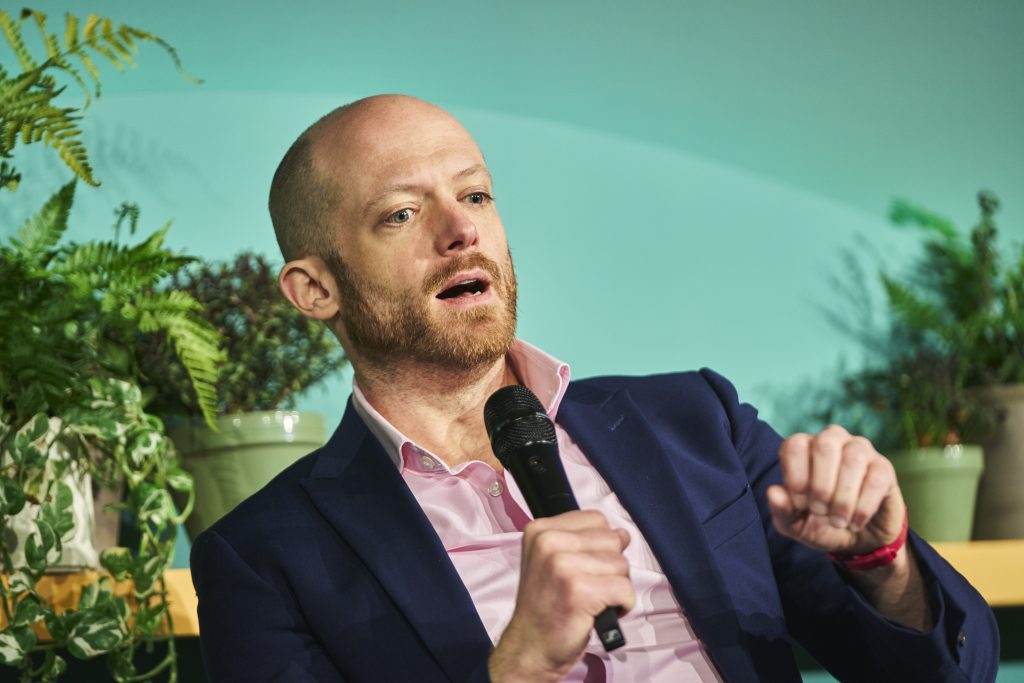
Richard said that the creation of Great British Railways will lead to a “simpler and fairer ticketing system” and a chance to “eliminate some really obvious perversities” around fares.
Laura Shoaf agreed. “Not all fares are created equal, not all fares feel like value for money, and some fares feel hugely expensive. This is about trying to simplify the whole basket.”
She also encouraged the sector to overcome any trace of ‘reform fatigue’ with the transition to Great British Railways. “The rail reform conversation has been going on for an incredibly long time; it’s important to recognise that some people are frustrated and a bit exhausted by it.
“But this is going to happen: the Bill is going through Parliament and by the end of May, more than half of services will be run by the Department for Transport.
“Of all the modes of travel, I've never known a passion like people have for the railway. We need to tap into everybody's passion for the railway, and bring it to bear – it’s part this country's national psyche.
“This is a huge opportunity,” she added. “If you are passionate, have thoughts about innovation, and want to make the railway better, please let us know. There's room for everybody's expertise in this conversation.”
Find out the names of the SMEs going through to trial stage on the Station Innovation Zone at Bristol Temple Meads.
Read a post event report from the Connected Places Summit.