articles
Industrialised Construction: Putting the pieces into place
Efforts to scale-up standardised methods of manufacture and assembly were discussed at the Connected Places Summit.
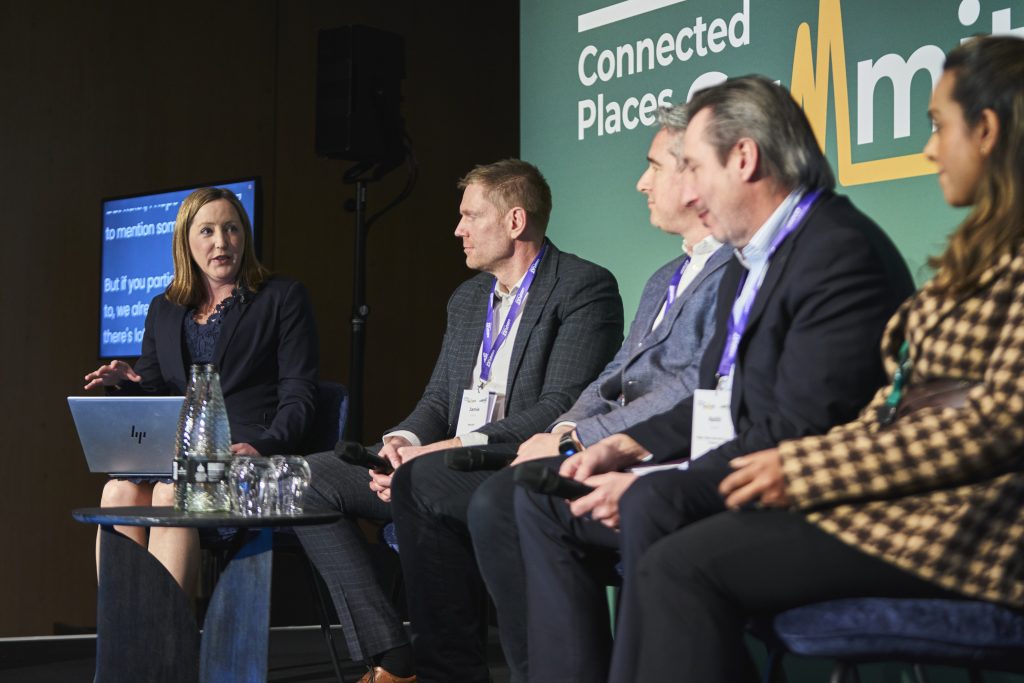
Construction’s next big challenge is to “draw on good things already happening” around offsite manufacturing to “deliver better homes, schools and public buildings”, one session at the Summit heard.
Jeff Endean, the Director of residential and construction consultant Cast, said support for offsite manufacture is increasing, with one in five new homes last year reportedly using some form of industrialised construction. “The challenge is how to accelerate and scale it,” he said.
Jeff explained that in the West Midlands, a supply chain collaboration of 35 plus industrialised construction companies has been created; following what he described as “a megatrend” for construction, forming in the slipstream of mature industrialised sectors such as automotive and aerospace.
“We're not short of innovation; the solutions broadly exist. What we need to innovate is the processes, and how we bring supply and demand together. Ultimately we want to be collaborating to get the supply chain to work out how to get products to be viable by those who want to buy them.”Jeff Endean, Director, Cast
Session chair Melissa Zanocco OBE, Challenge Director: Growth Mission at the UKRI Mission Accelerator Programme, explained to delegates that Industrialised Construction is a fairly new term that is broader than just Modern Methods of Construction or offsite design.
It involves a number of elements that need to come together to ensure interoperability and scalability – including aggregated demand, rationalised requirements and technical standardisation across the industry – she said, and for data and digitalisation to provide the “right information at the right time, so people can make the right decisions”.
Growing pockets of excellence
Melissa asked why industrialised construction has yet to become commonplace in construction.
Jamie Hillier, a Partner of consultant Akerlof says there have been “pockets of excellence” around industrialised construction, but there has been a challenge to scale it nationally.
“Repeatable processes and common designs are often driven by regulation and requirements; especially in the rail, highways and energy sectors that support industrialised delivery.”Jamie Hillier, Partner, Akerlof
He added that major infrastructure programmes such as Crossrail consciously set up learning legacies to explore opportunities for new processes, with i3P – the Infrastructure Industry Innovation Partnership – hosted by Connected Places Catapult – helping to champion the best solutions and encourage adoption.
Despite challenging macroeconomic conditions, Jamie said new prison and hospital construction plans give him confidence that industrialised construction can see a way forward.
Engaging with clients early on
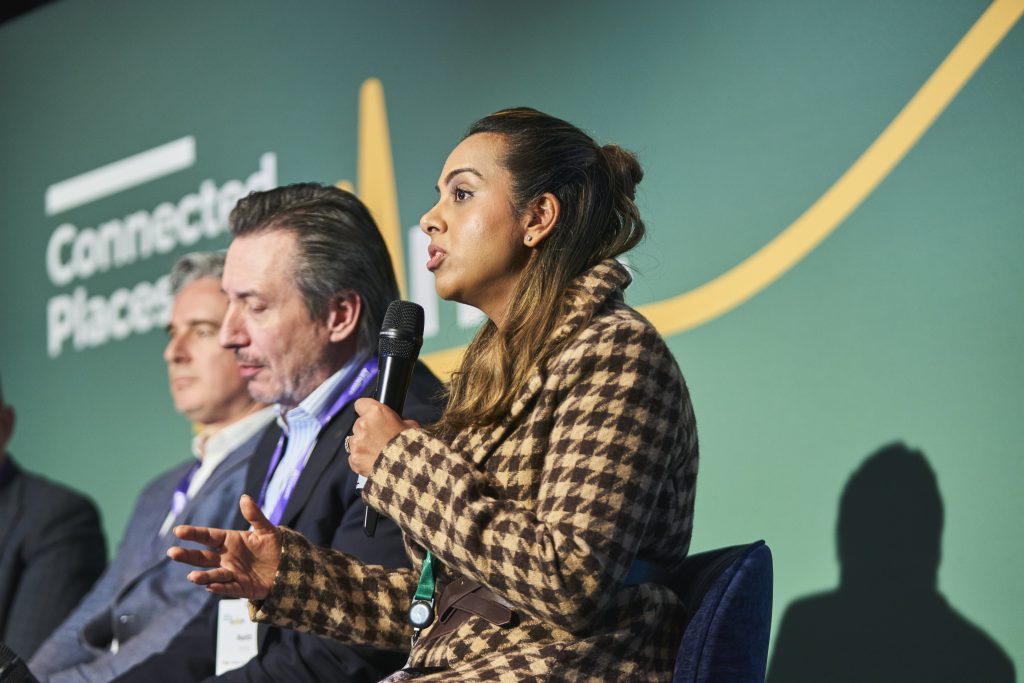
Connected Places Catapult’s Head of Built Environment and Urbanism Engagement, Krithika Ramesh said across 46 schemes in the Government’s New Hospital Programme, a growing number are being delivered using the ‘Hospital 2.0’ approach which standardises around 80% of design elements to support industrialised construction.
She urged innovators to engage early on with clients so they can fully understand their requirements, and welcomed regional industrial clusters which, she says, can “really help bring public sector clients, innovators and contractors together to talk about new commercial models and share risk”.

She added that better visibility of the national construction pipeline is providing momentum to the West Midlands in particular to focus on offsite manufacture.
“When clients provide stability and long-term investment potential, the industry will invest and accelerate Industrialised Construction,” she added.
Creating opportunity for businesses
Keith Waller, the Director for Industrialised Construction at the High Value Manufacturing Catapult, said that “real opportunity can be created for UK businesses” by using standardised approaches to building.
“It’s not about inventing new systems, solutions or technologies,” he said. “It’s about bringing great things together and helping shape them so we can deliver an industrialised future.”
Keith was speaking on the day that an £85 million ‘Industrialising and Digitalising Construction Challenge’ programme was launched in Liverpool to scale up standardised approaches to building social housing across the country.
“The term I like to use is ‘bricolage’ which involves creating something beautiful from things that already exist.” he added. “There are so many fantastic solutions that have been brought to individual projects; but they haven't been able to scale.”
Read a post event report from the Connected Places Summit.