Liverpool City Region: Maritime Alternative Fuel Hub
File type: pdf
File size: 78.55Mb
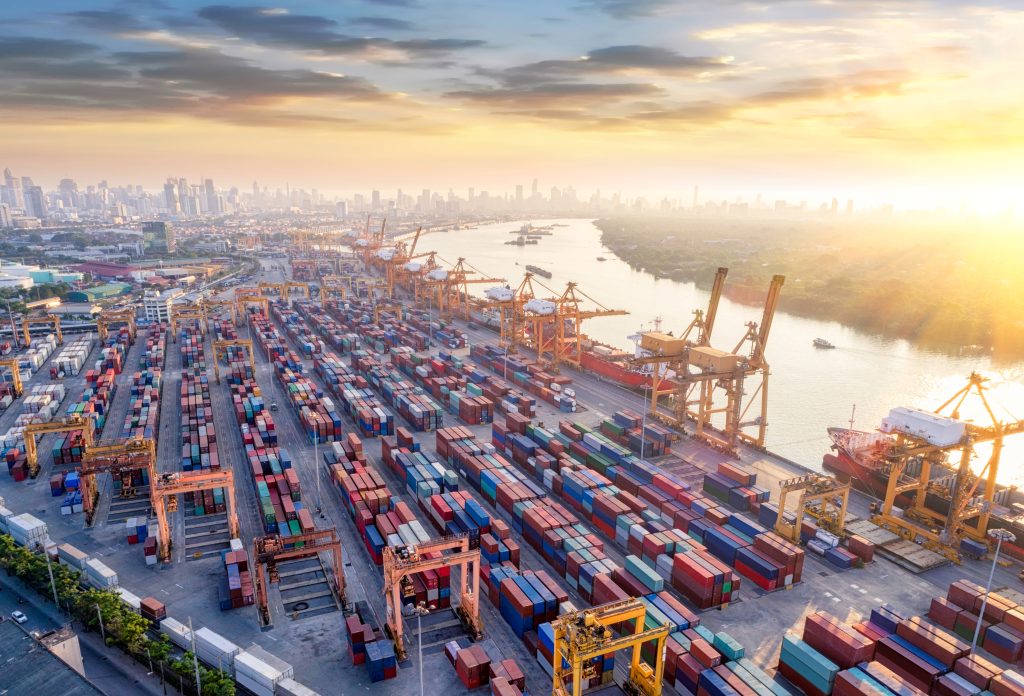
The uptake of zero and low emission alternative fuels is key to achieving UK domestic maritime goals to reduce greenhouse gas emissions to zero by 2050, and the development of domestic green corridors. Maritime fuel users await certainty from the fuel supply chain before they can place significant investment into new technologies, meanwhile suppliers require clear demand signals from industry to develop supporting infrastructure.
Therefore, a holistic approach is needed to understand regional fuel requirements, plan infrastructure and attract suitable investment. Economies of scale could be achieved through development of regional fuel hubs.
Strategically positioned as part of the Irish Sea Rim, The Liverpool City Region is well suited to become an alternative fuel hub due to its strong inland connectivity, proximity to clean energy generation and thriving maritime ecosystem.
This report explores the opportunity for the region to serve as a hub for local and Irish Sea maritime use. It aggregates vessel energy demand across key regional ports and routes, providing a holistic estimate of fuel volumes required to decarbonise. The study evaluates scenarios for methanol, ammonia and LNG adoption, compares these with regional clean energy generation and identifies infrastructure requirements.
Liverpool City Region: Maritime Alternative Fuel Hub
File type: pdf
File size: 78.55Mb