article
Carbon busting materials specialist set to scale
Low Carbon Materials is preparing to increase production of its concrete and asphalt additives by more than 20 times, following participation in an accelerator delivered by Connected Places Catapult.
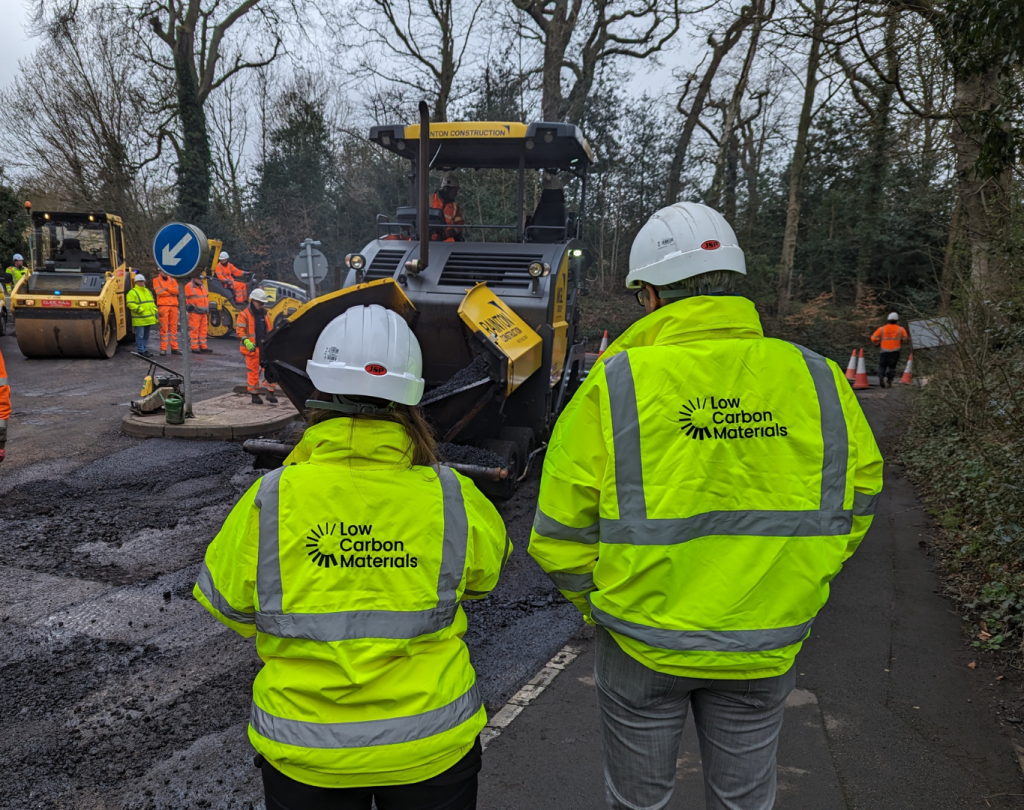
“Our goal is to deliver carbon-negative solutions for the construction sector that outperform traditional materials,” says Dr Natasha Boulding, CEO and co-founder of technology specialist Low Carbon Materials.
The company has developed two carbon negative aggregates designed to significantly reduce embodied carbon, during the manufacture and installation of concrete for buildings and asphalt for roads.
These ‘carbon-sequestering’ additives are incorporated into conventional material mixes – replacing between 1% and 5% of conventional aggregate – and are said to eliminate carbon from the construction process, while also offering performance enhancements.
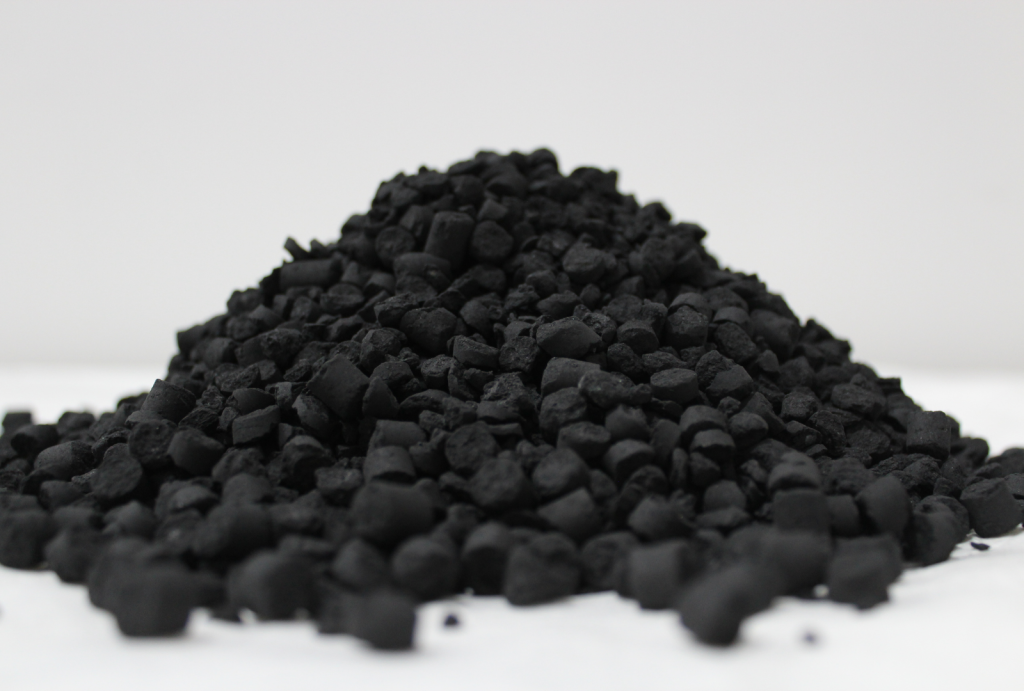
“Our additives are carbon negative,” says Natasha. “Carbon dioxide is permanently stored within them so it can't be re-released into the atmosphere. These materials are then used in construction to improve technical properties and help our clients reach their environmental targets.”
Natasha adds that her company’s additives weigh significantly less than conventional aggregate, so reduce transport costs, with evidence suggesting they can also absorb harmful chemicals such as volatile organic compounds.
She also says that ongoing studies suggest that its material can be used to stop harmful microplastics from entering watercourses.
Programme helps firm to scale
Low Carbon Materials started out with a focus on developing an additive for use in concrete. It was welcomed on to the National Highways Accelerating Low Carbon Innovation programme in 2023 – delivered by Connected Places Catapult – and was encouraged to develop an additive for asphalt, used to construct and maintain the base and binder courses of roads.
“The accelerator allowed us the time and resources to speak to the end users and ask if this is something they would be interested in for asphalt. Without the accelerator, we would not have considered its application in asphalt so soon.”Dr Natasha Boulding, CEO and co-founder of Low Carbon Materials
“We worked on a product development programme with Skanska and National Highways which led to a pilot project on the M11. It was meant to be a trial of the product on a temporary works site, but they were confident enough to put it into permanent works instead.”
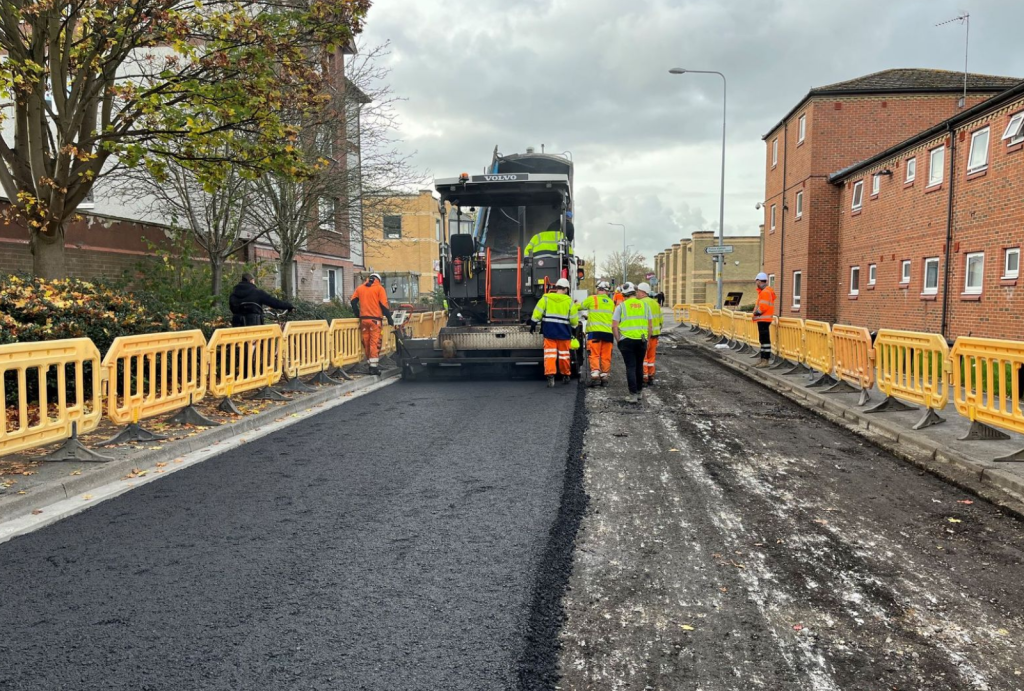
The carbon negative aggregate – known as ACLA – has also been used for the A64 low carbon exemplar scheme with contractor Tarmac and National Highways, and for several local authority roads across the UK. ACLA is now deployed in over 40 construction projects.
The next step for the company is to scale the technology, with major projects planned in the private and public sectors. It is now preparing to increase production of its concrete and asphalt additives by more than 20 times.

Bouncing ideas off new contacts
Low Carbon Materials was a finalist in the Earthshot Prize four years ago, and last year won the ‘Blue Earth 100’ scale-up pitching competition.
“The accelerator allowed us to connect with key technical people within the sector who we were able to bounce ideas off quickly,” she says. “The programme also allowed us to fail fast in the early stage of product development and move forward.”
Natasha adds that Connected Places Catapult helped to align the product with the needs of end users. “The process allowed us to access the wealth of experience and the amazing minds of the people involved in this work every single day.
“We are material scientists, so haven't the experience of laying roads, so the National Highways Low Carbon Accelerator acted as the glue we needed to learn each other’s trades.”
National Highways’ Principal Innovation Advisor, Melissa Giusti says: “We’re committed to accelerating innovation across our sector and embracing new solutions. The low carbon accelerator has been instrumental in taking promising ideas and rapidly advancing them through research and testing.”
Read more about the work of SMEs involved in the Accelerating Low Carbon Innovation programme.